A new traffic model: target groups and transport poverty made visible
For years, municipal mobility policies revolved primarily around traffic flow and efficiency. But those who do not own a car, cannot cycle, walk or travel independently by public transport were unintentionally left out of the picture. Traffic models hardly took those limitations into account. That is now changing.
CITY
Almere
YEAR
2025
AFFECTED PARTY
dro-dmi, golden apple
SOLUTION
an inclusive traffic model
SHARE
SOLUTION
Transportation poverty is about the lack of appropriate transportation options that prevent people from fully participating in society. The approach to this at DRO-DMI, a consortium of private and public parties including the municipalities of Almere and Amsterdam, started with a simple but sharp observation: existing traffic models lack crucial information. Both municipalities saw in their own practice how vulnerable groups - people who cannot cycle, have limited mobility or cannot use public transport independently - are completely left out of the models' picture. Almere decided to investigate this, together with consultancy firm Goudappel and Amsterdam. They started talking to the target group and conducted a large-scale survey in Flevoland.
MUNICIPALITY OF ALMERE
"Only when we also consider those people who are not naturally mobile will a traffic policy emerge that works for everyone."
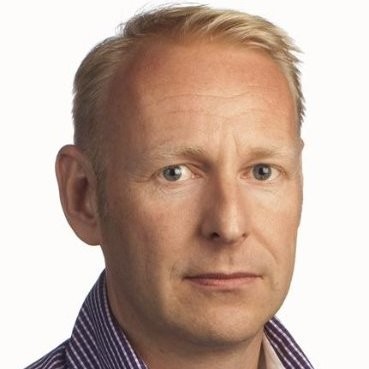
Gerry de KoningProgram manager smart mobility
Cycling crucial to staying mobile
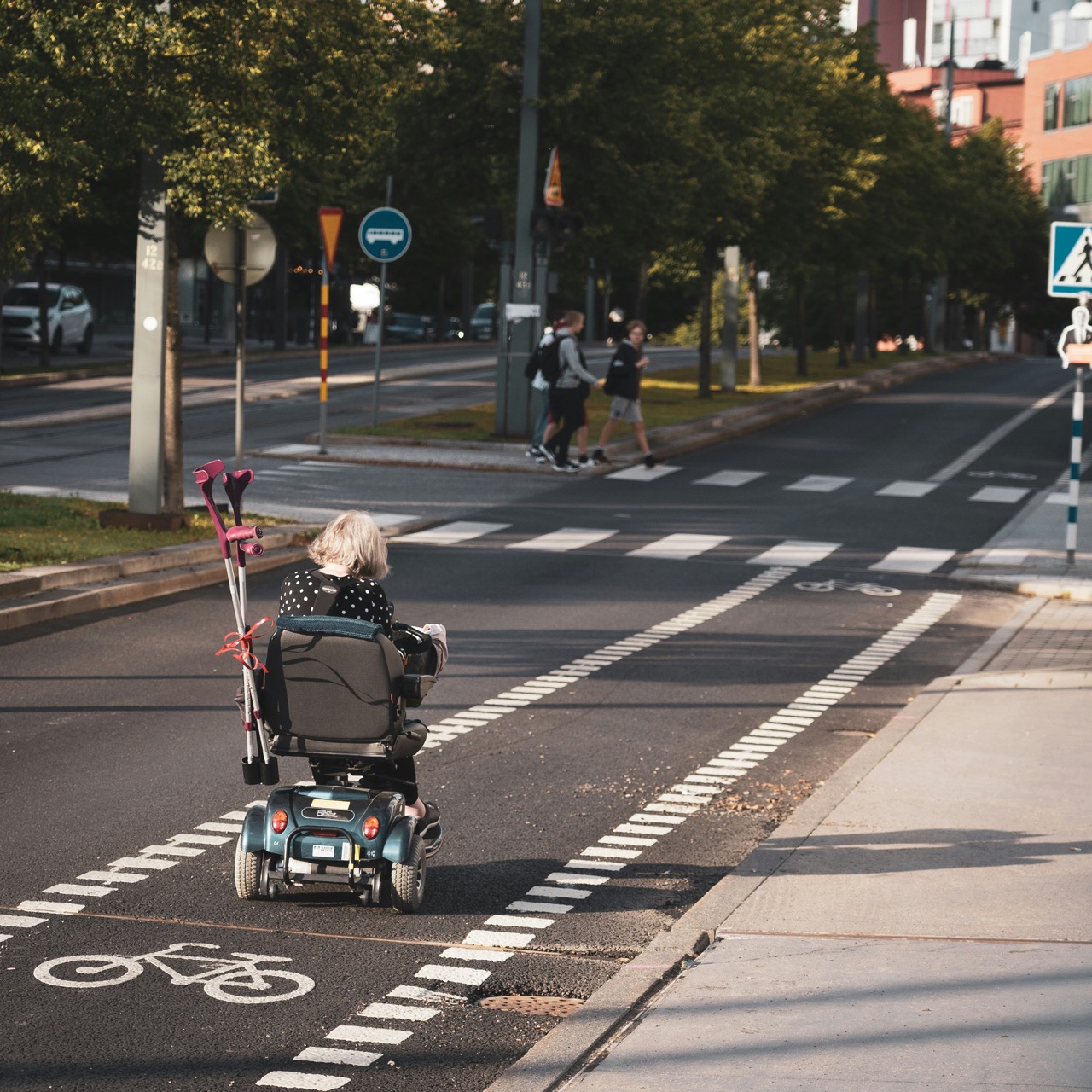
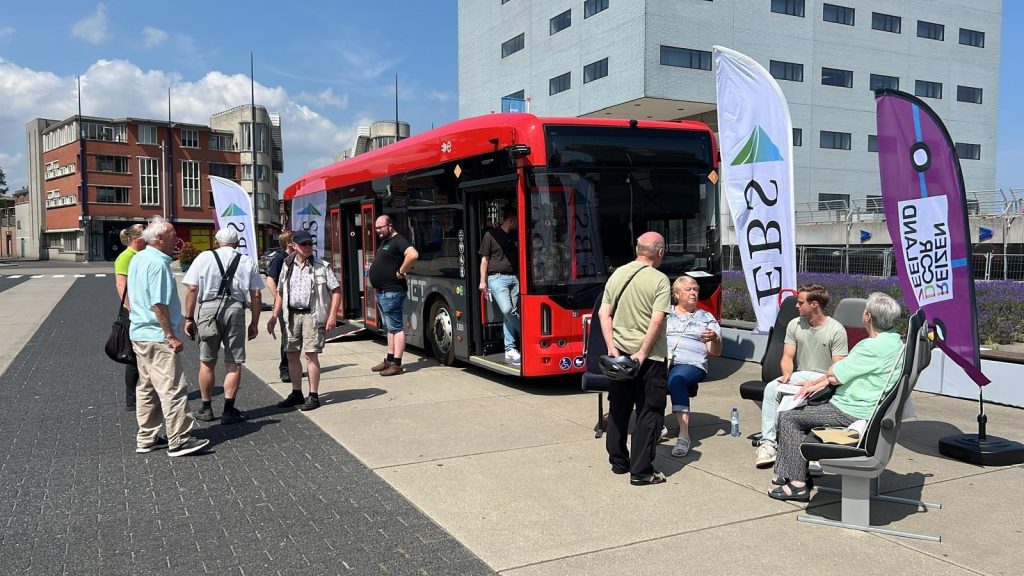
The interviews showed that bicycling is often essential for staying mobile in the city. Those who can no longer cycle rely on expensive, limited, and sometimes unreliable options such as public transportation or taxis. “Small groups without a financial or social safety net experience the most severe—and often invisible—consequences,” explained Gerry de Koning, Smart Mobility Program Manager in Almere. The survey also found that 11 percent of people cannot ride a bicycle, 18.8 percent have limited mobility, and 10.4 percent cannot travel independently by public transport. De Koning added, “These figures show that transportation poverty is not a marginal issue, but a significant problem that must be addressed if traffic models fail to account for it.”
Serving all residents
In the program 'Digitale Regie op het gebruik van de Openbare Ruimte' (DRO-DMI), the municipalities of Amsterdam and Almere, together with consultancy firm Goudappel, took a bold approach. They developed a traffic model that explicitly considers vulnerable groups, helping municipalities create policies that serve all residents. “By not focusing solely on cars and instead paying more attention to the opportunities and limitations for walking and cycling, we get a much more inclusive picture of mobility,” says De Koning.
Second opinion
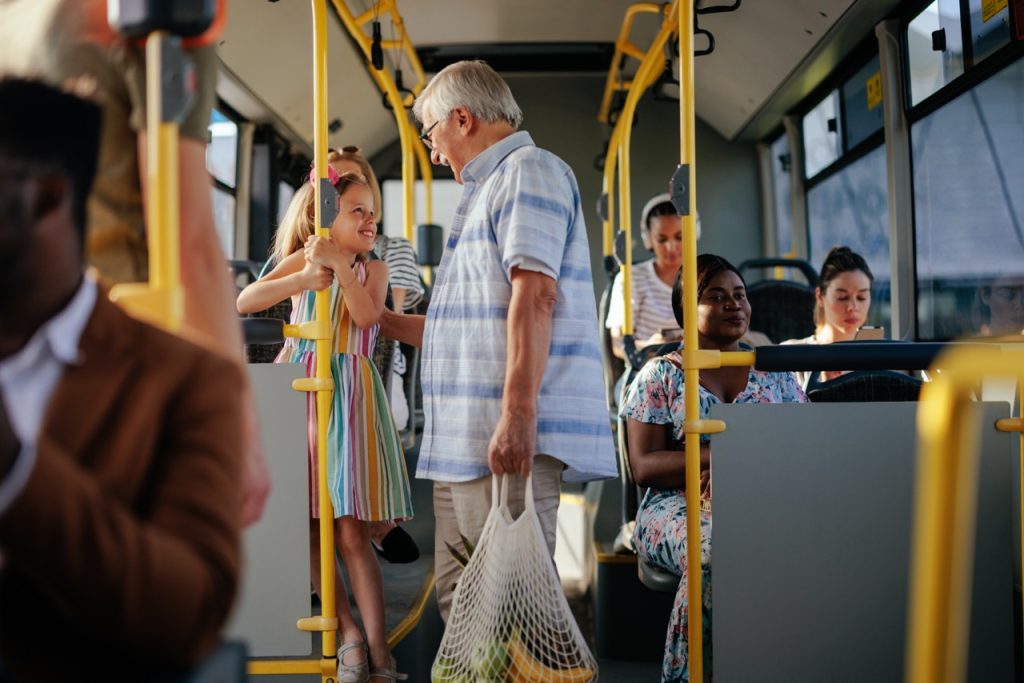
The new model enables municipalities to design more targeted policies. “They can now see exactly who is affected by a measure and respond accordingly,” says De Koning. In Almere, for example, the model acts as a kind of second opinion. “Suppose you want to cancel or reduce a public transport line because it is underused—the model shows how many people would lose access as a result. The municipality can then reconsider that option or explore alternatives.” Even small interventions can have a big impact. De Koning notes, “Interviews revealed that some people cannot reach a bus stop without taking breaks. Adding a few benches along the route can make all the difference between staying home and being able to participate.”
Contact
For more information on the model to measure traffic poverty, contact DRO-DMI.
join us make your offer visible to the entire network
We are here for governments, businesses, and knowledge institutions.