



- All Theme
- Area development
- Resident participation
- DMI applied
- About innovation
- This is DMI
- PDX & Commons
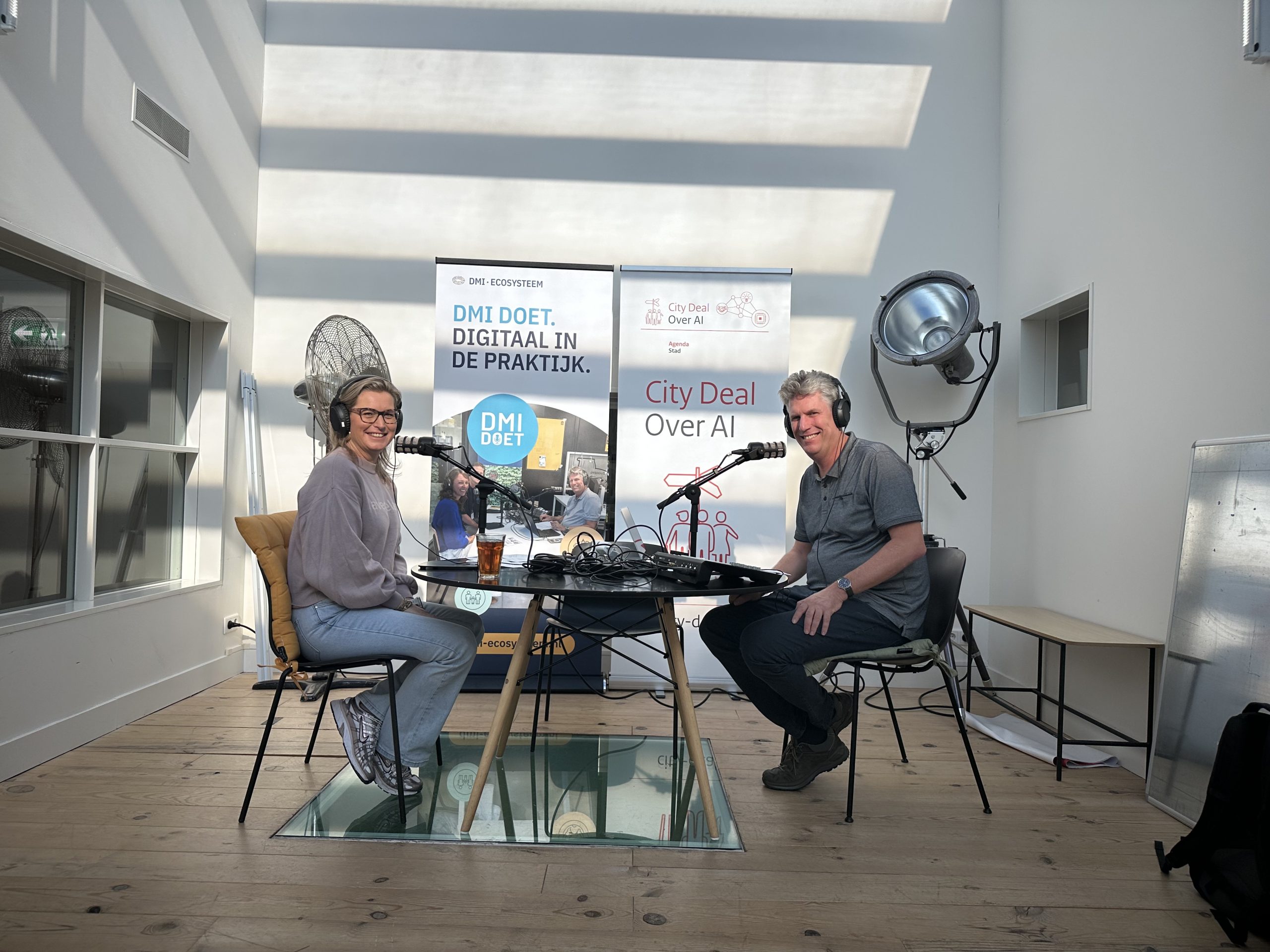
#43 Carla Kranenborg-van Eerd over waarom niets doen met AI ook riskant is
In deze aflevering van DMI Doet spreekt Jan-Willem Wesselink met Carla Kranenborg-van Eerd, wethouder Digitalisering van de gemeente Breda, over de kansen van AI voor de stad én de publieke waarden die daarbij richting moeten geven. Het gesprek vond plaats tijdens het internationale evenement AI in de Stad in Breda, waar bestuurders, experts, kennisinstellingen en bedrijven samenkwamen om te onderzoeken hoe AI maatschappelijke waarde kan creëren.
Kranenborg-van Eerd ziet AI nadrukkelijk als middel, niet als doel. AI kan informatie combineren, besluitvorming versnellen, werk automatiseren en nieuwe perspectieven zichtbaar maken. Maar besluiten blijft mensenwerk. Daarom gaat het gesprek ook over autonomie, eigenaarschap van data, afhankelijkheid van grote techbedrijven en de vraag wat overheden wel en niet aan technologie uit handen willen geven.
Kranenborg-van Eerd kijkt ook naar de groei van het thema AI in de Stad: van een eerste congres vol verwondering over nieuwe technologie naar een internationale conferentie waarin impact en publieke waarden centraal staan. Ze vergelijkt deze ontwikkeling met het DMI-ecosysteem. Waar AI in de Stad volgens haar nog meer aan het begin staat, zijn binnen DMI toepassingen al verder geborgd. De netwerken kunnen daardoor van elkaar leren en elkaar aanvullen. Haar boodschap: durf te experimenteren, leer van wat misgaat en blijf zelf richting geven. Want ook niets doen is een risico.
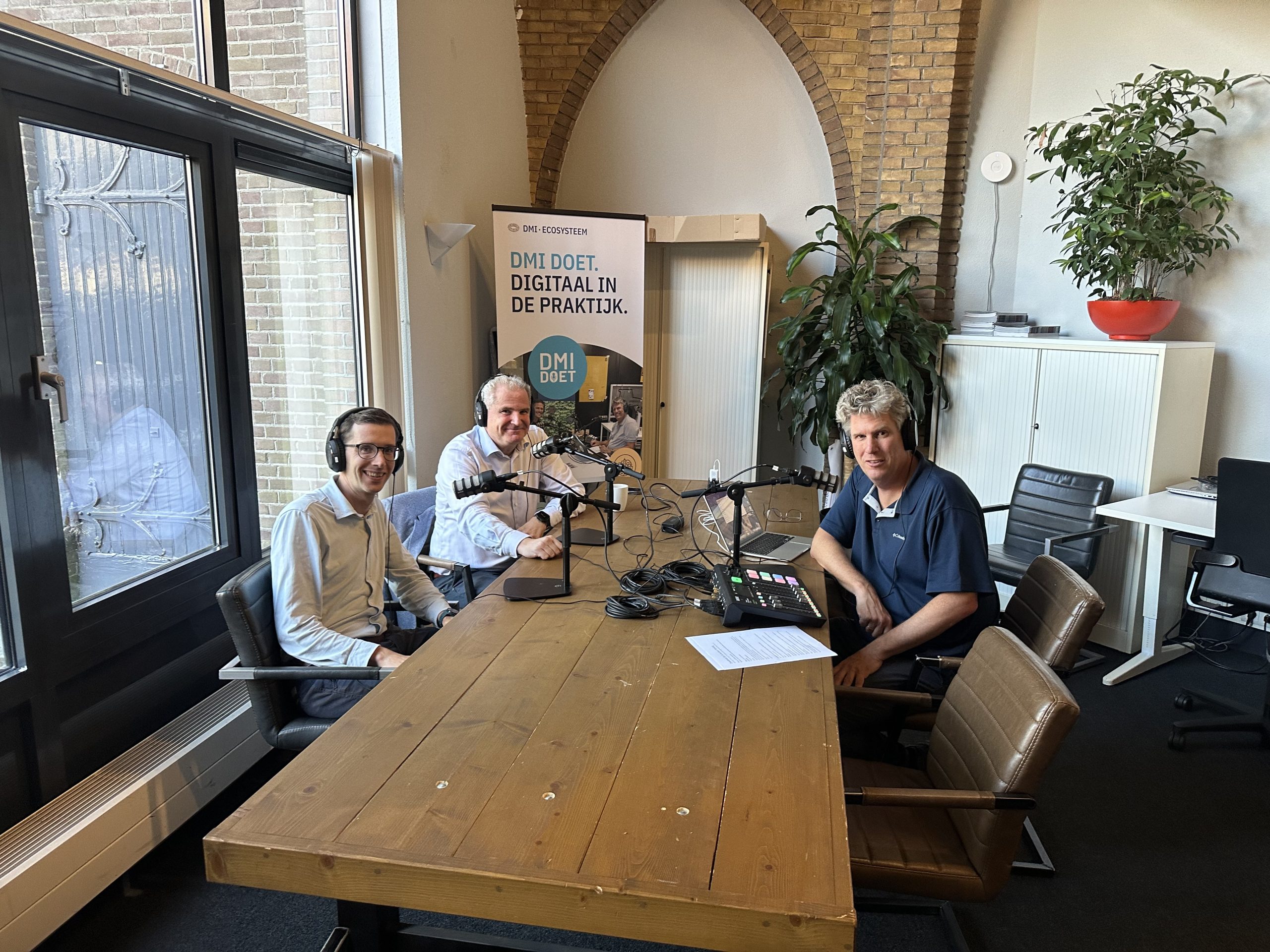
#42 Jeroen van Winden en Thom Leeffers laten AI met de stad praten
In deze aflevering van DMI Doet spreekt Jan-Willem Wesselink met Jeroen van Winden van Esri Nederland en Thom Leeffers van Avineon Tensing over GeoAI: de combinatie van kunstmatige intelligentie en geografische informatie. Wat gebeurt er als je niet langer zelf door kaarten, datasets en systemen hoeft te zoeken, maar gewoon aan AI kunt vragen waar ruimte is voor woningbouw, welke regels op een locatie gelden of welke scenario’s mogelijk zijn?
Van bestaande toepassingen als objectherkenning op luchtfoto’s verschuift het gesprek naar AI-assistenten en agents. Assistenten kunnen gebruikers helpen om geografische data te bevragen of analyses uit te voeren. Agents gaan een stap verder: zij kunnen zelfstandig gegevens verzamelen, verschillende onderzoeken uitvoeren, tools inschakelen en resultaten combineren. Zo zou een groep agents bijvoorbeeld kunnen onderzoeken wat op een locatie mogelijk is en welke regels, vergunningen en omgevingsfactoren daarbij een rol spelen.
Dat kan ook de manier veranderen waarop ruimtelijke plannen worden gemaakt. Meer scenario’s kunnen sneller worden onderzocht en professionals kunnen veel meer in gesprek gaan met hun data en plannen. Maar daarvoor moeten organisaties wel hun basis op orde hebben. Goede data, metadata, duidelijke processen en AI-governance worden juist belangrijker. Van Winden en Leeffers pleiten daarom vooral voor experimenteren: geef medewerkers ruimte om AI te leren gebruiken, maar blijf kritisch op de uitkomsten en op het eigen vakmanschap.
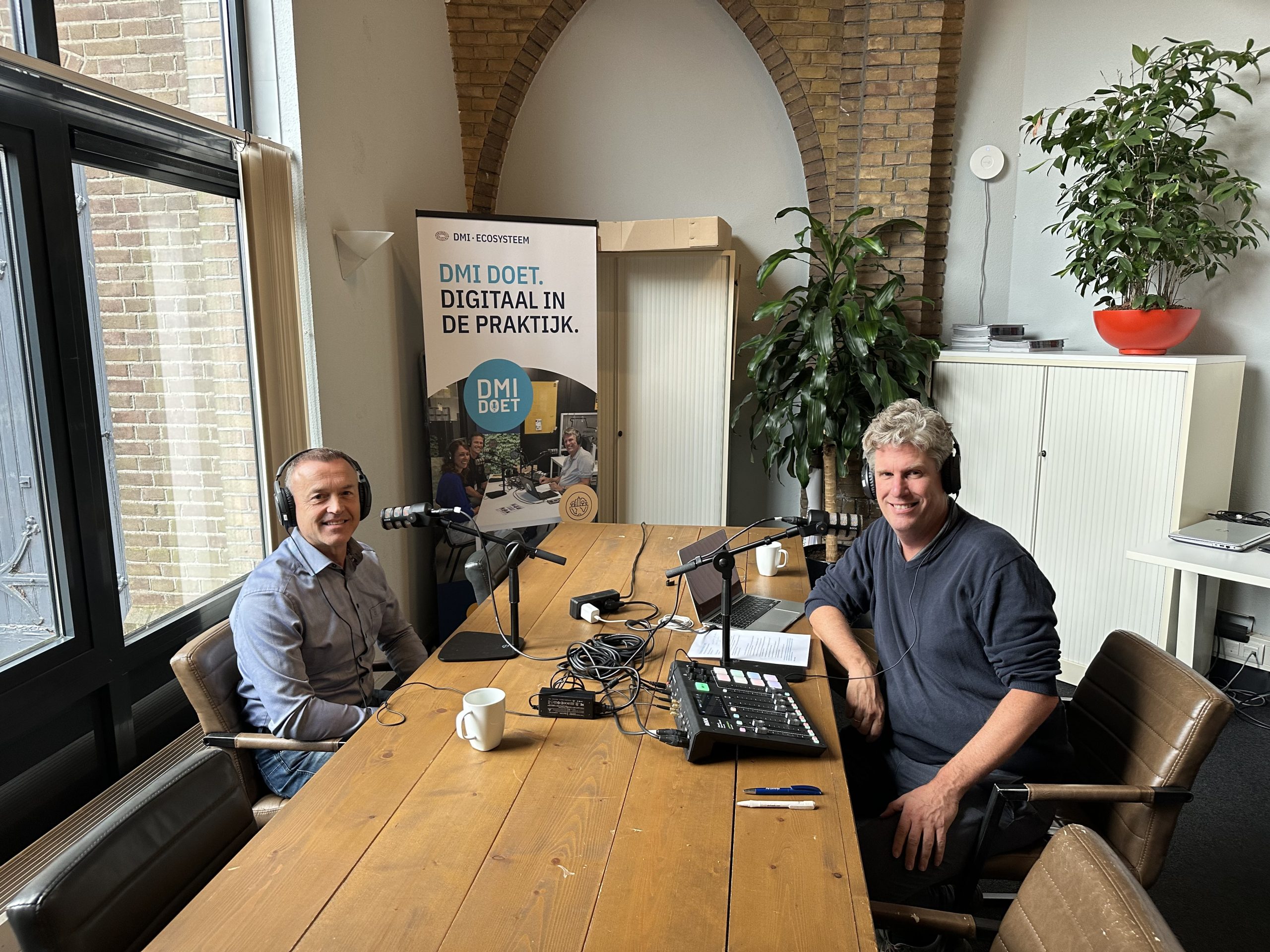
#41 Martin Smit maakt met AI luchtkwaliteit zichtbaar
In deze aflevering van DMI Doet spreekt Jan-Willem Wesselink met Martin Smit, medeoprichter van Caeli, over de vraag hoe AI helpt om grote hoeveelheden data om te zetten in bruikbare informatie voor de stad. Caeli combineert satellietdata met onder meer grondmetingen, weer, wind, verkeersintensiteit en gegevens over de fysieke omgeving om de luchtkwaliteit steeds nauwkeuriger in kaart te brengen. Zo ontstaat op buurtniveau inzicht in stoffen als stikstofdioxide en fijnstof, ook op plekken waar geen meetstation staat.
Martin Smit legt uit hoe zo’n machinelearningmodel wordt opgebouwd en steeds verder wordt getraind. Door nieuwe databronnen toe te voegen en de uitkomsten te vergelijken met grondmetingen, wordt het model nauwkeuriger. Voor gemeenten betekent dat dat zij niet alleen kunnen zien hoe de luchtkwaliteit zich ontwikkelt, maar ook kunnen onderzoeken of maatregelen daadwerkelijk effect hebben. Zo gebruikt Hilversum de data bijvoorbeeld in relatie tot de omgevingsvisie.
De mogelijkheden worden bovendien groter. Nieuwe satellieten kunnen veel vaker gegevens leveren, waardoor luchtkwaliteit in de toekomst bijna realtime gevolgd kan worden. Dat opent de deur naar beleid dat minder statisch is en sterker reageert op wat er op dat moment in een stad gebeurt. Een gesprek over satellietdata, machine learning en de stap van data naar informatie en over hoe AI gemeenten kan helpen om steeds gerichter te sturen op een gezonde leefomgeving.
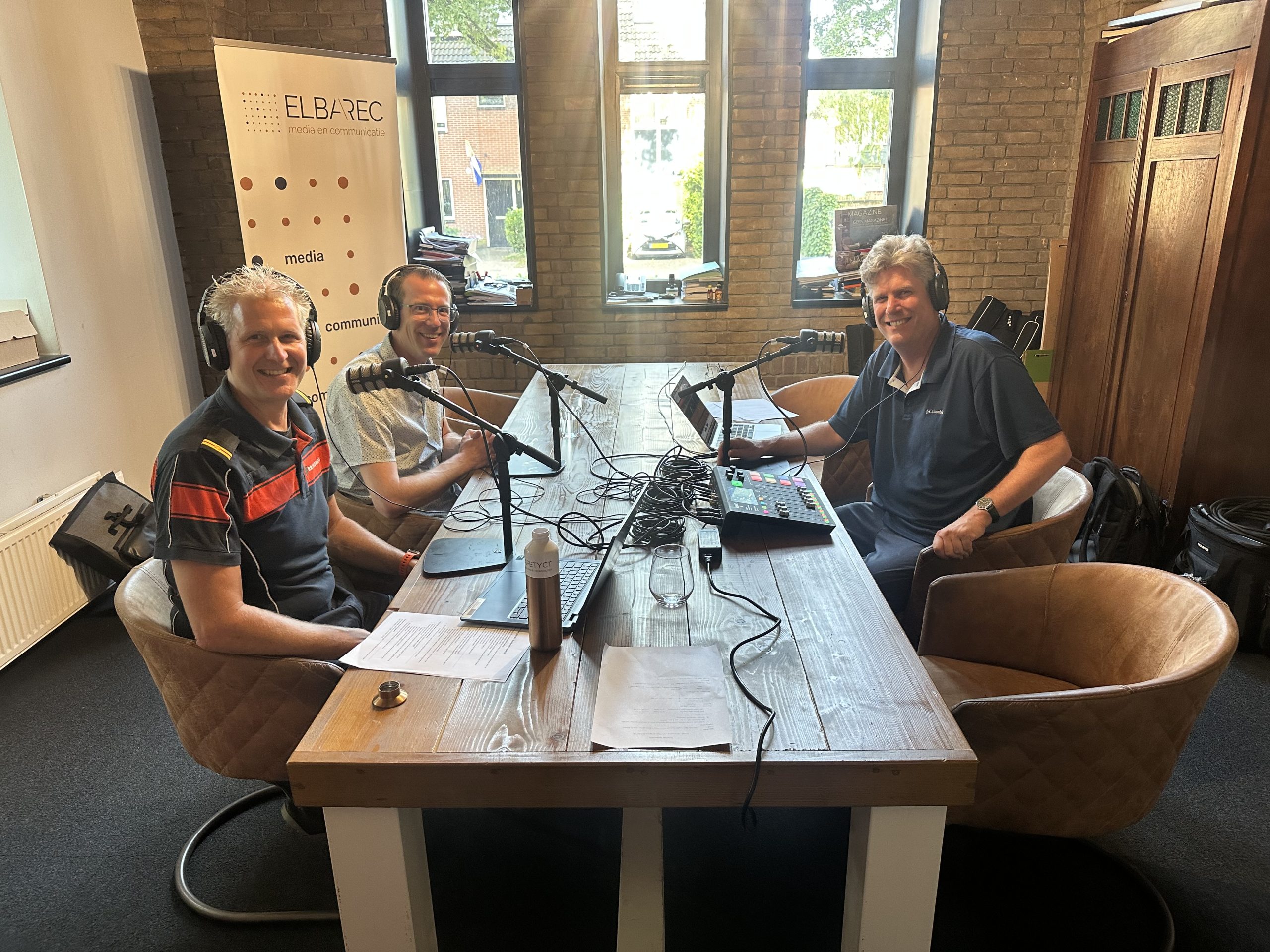
#40 Dimitry de Wit en Luuk Misdom werken aan groen licht voor hulpdiensten
In deze aflevering van DMI Doet spreken Dimitry de Wit van Brandweer Brabant-Zuidoost en Luuk Misdom van de gemeente Helmond over Talking Traffic: slimme verkeerslichten die weten wanneer een hulpdienst nadert en daarop kunnen reageren.
Voor brandweer, ambulance en andere hulpdiensten telt elke seconde. Toch moeten voertuigen nu vaak stapvoets door rood of zich door druk verkeer manoeuvreren. Dat is niet alleen traag, maar ook risicovol voor hulpverleners en andere weggebruikers. In Helmond wordt al gewerkt met een systeem waarbij brandweervoertuigen hun positie delen met intelligente verkeerslichten, zodat kruispunten op tijd op groen kunnen springen.
De aflevering laat zien dat de oplossing eenvoudig klinkt, maar in de praktijk vraagt om samenwerking tussen voertuigen, verkeerssystemen, wegbeheerders, veiligheidsregio’s en landelijke standaarden. Daarbij gaat het niet alleen om sneller ter plaatse zijn, maar ook om veiligheid, betrouwbaarheid en bereikbaarheid in steden die steeds drukker en autoluwer worden.
Dimitry de Wit en Luuk Misdom vertellen hoe Helmond hierin vooroploopt, welke lessen daaruit zijn te trekken en wat er nodig is om slimme mobiliteit ook buiten de koplopers echt werkend te krijgen.
#39 Wil Jacobs, Klaas de Jonge en Roel Goossens geven groen bewijskracht
In deze aflevering van DMI Doet staat de vraag centraal hoe digitale innovatie kan helpen om de openbare ruimte groener, klimaatbestendiger en leefbaarder te maken. Jan-Willem Wesselink spreekt met Wil Jacobs van Groen als een Service, Klaas de Jonge van de gemeente Lelystad en Roel Goossens van de gemeente Sittard-Geleen over de inzet van Digital Twins bij ruimtelijke keuzes.
Aan de hand van twee concrete casussen, Flevokust Haven in Lelystad en de Zeeheldenbuurt in Sittard-Geleen, laten zij zien hoe data, sensoren en modellen inzicht geven in de effecten van ontwerpkeuzes. Wat betekent een boom voor verkoeling? Hoeveel water wordt vastgehouden? En hoe maak je de afweging tussen verkeer, groen, kabels, leidingen, bewonerswensen en biodiversiteit?
Een digital twin is hierbij niet alleen een technisch hulpmiddel, maar ook een manier om vakdisciplines, bewoners en bedrijven beter met elkaar in gesprek te brengen. Niet vanuit losse belangen of vinklijstjes, maar vanuit gedeeld inzicht in wat een ontwerp oplevert voor klimaat, gezondheid, biodiversiteit en leefkwaliteit.
#38 Thea Ullhaug Pope and Thomas Bergoy Johansen explore how Oslo and DMI can scale digital innovation
In this special episode of DMI Doet, we speak with Thea Ullhaug Pope and Thomas Bergoy Johansen from the City of Oslo. Oslo became the first city outside the Netherlands to join the DMI ecosystem, creating new opportunities for international collaboration on digital and sustainable urban development. Together with Jan-Willem Wesselink, they discuss why Oslo decided to become part of DMI, what the city hopes to learn from the Dutch approach, and how cities can work together more effectively across borders. The conversation touches on trust, digital wallets, verifiable credentials, data sharing, digital sovereignty and the challenge of moving beyond pilots towards solutions that can truly scale.
#37 Richard Derksen en Bas van Rijsbergen verbinden rijk en wijk
In deze speciale aflevering van DMI Doet, opgenomen op de Provada in samenwerking met Ruimte Zat en de Samenwerkingsagenda Toekomstbestendige Gebiedsontwikkeling spreken we met Richard Derksen van het ministerie van BZK en Bas van Rijsbergen van de gemeente Den Haag. Hoe vertaal je landelijke ambities naar de praktijk van wijken, bouwprojecten en vergunningverlening? En hoe zorg je ervoor dat innovaties als industrieel bouwen, digitalisering en typegoedkeuring niet blijven hangen in pilots, maar echt worden toegepast en opgeschaald? Een gesprek over sneller, betaalbaarder en duurzamer bouwen, over duidelijke kaders vanuit het Rijk en over de ruimte die gemeenten nodig hebben om in de praktijk vooruit te komen. Maar vooral ook over hoe rijk en wijk elkaar beter kunnen vinden om niet alleen woningen te bouwen, maar ook leefbare steden en sterke gemeenschappen.
#36 Joost Wools en Jop Alberts bouwen aan thuisgevoel en leefkwaliteit in toekomstbestendige gebiedsontwikkeling
In deze aflevering nemen Joost Wools, directeur vastgoed bij Vivare, en Jop Alberts, partner en architect bij INBO, je mee achter de schermen van Rijnpark, een van de grootste woningontwikkelingen in Arnhem. Ze bespreken de uitdagingen van hoge dichtheid, sociale woningbouw en leefbaarheid, en laten zien hoe samenwerking, data en innovatieve inzichten helpen om een wijk te ontwerpen waar mensen écht thuiskomen. Luister mee en ontdek hoe zij met kennis, creativiteit en ambitie werken aan toekomstbestendige stedelijke ontwikkeling.
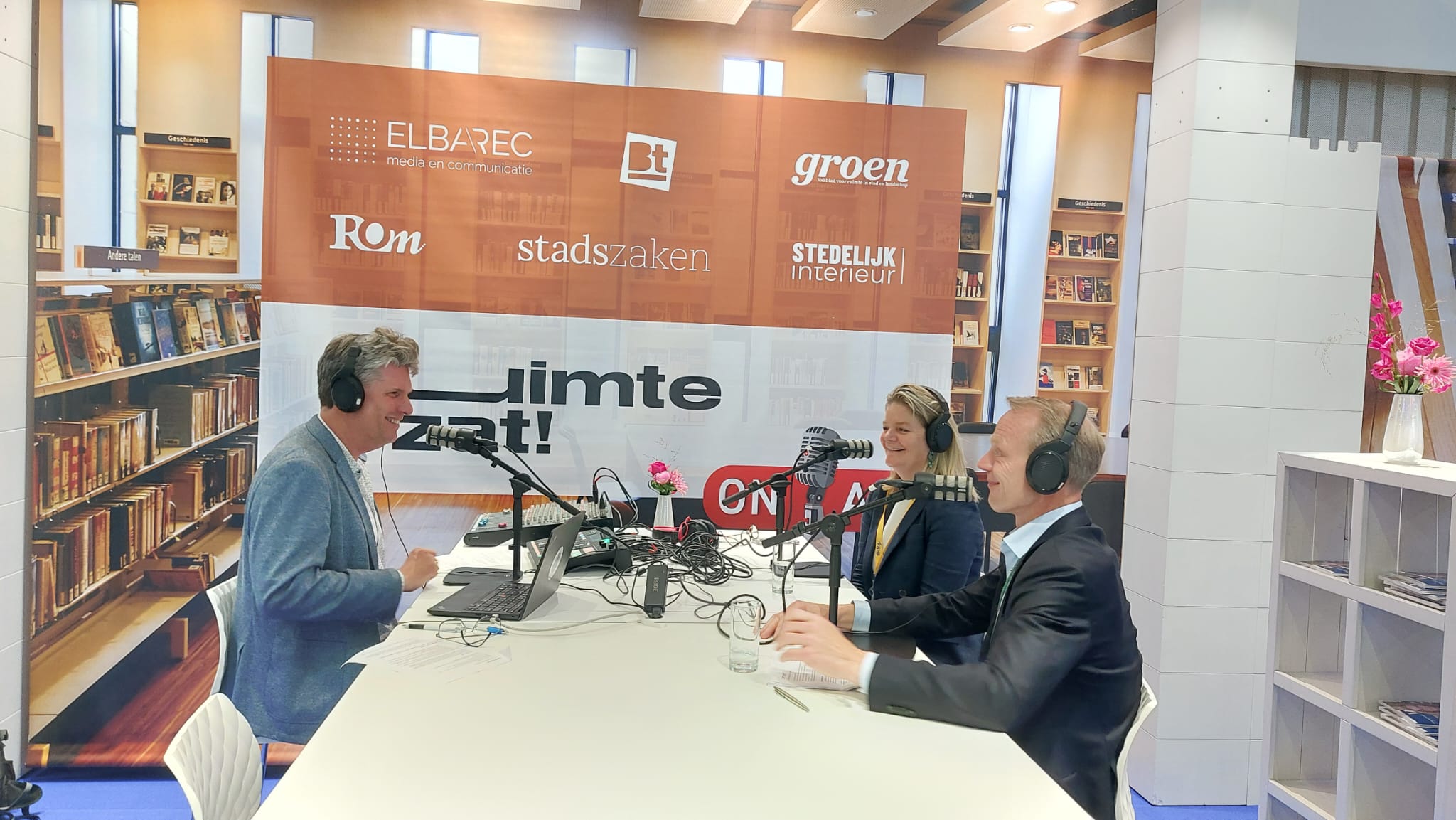
#35 Nicole Maarssen en Peter Klevering zien vertrouwen als sleutel voor sneller bouwen
Hoe bouw je sneller woningen in een tijd van netcongestie, personeelstekorten en steeds complexere gebiedsontwikkeling? Volgens Nicole Maarsen (lid van de Landelijke Versnellingstafel en bestuurlijk aanjager van het IOP woningbouw) en Peter Klevering (Directeur Gebiedsontwikkeling bij Dura Vermeer) begint het antwoord niet bij techniek of regelgeving, maar bij vertrouwen. In deze aflevering van DMI Doet, opgenomen op Provada, gaat het over samenwerken voorbij de traditionele rollen van overheid, ontwikkelaar en ontwerper. Over digital twins, industriële woningbouw en datagedreven besluitvorming, maar vooral over de vraag hoe je gezamenlijk eigenaarschap organiseert. Want als iedereen hetzelfde einddoel nastreeft, wordt vertrouwen misschien wel belangrijker dan het contract. Een gesprek over systeemverandering, politieke moed en waarom gebiedsontwikkeling pas echt werkt als een project weer voelt als iets van ons allemaal.
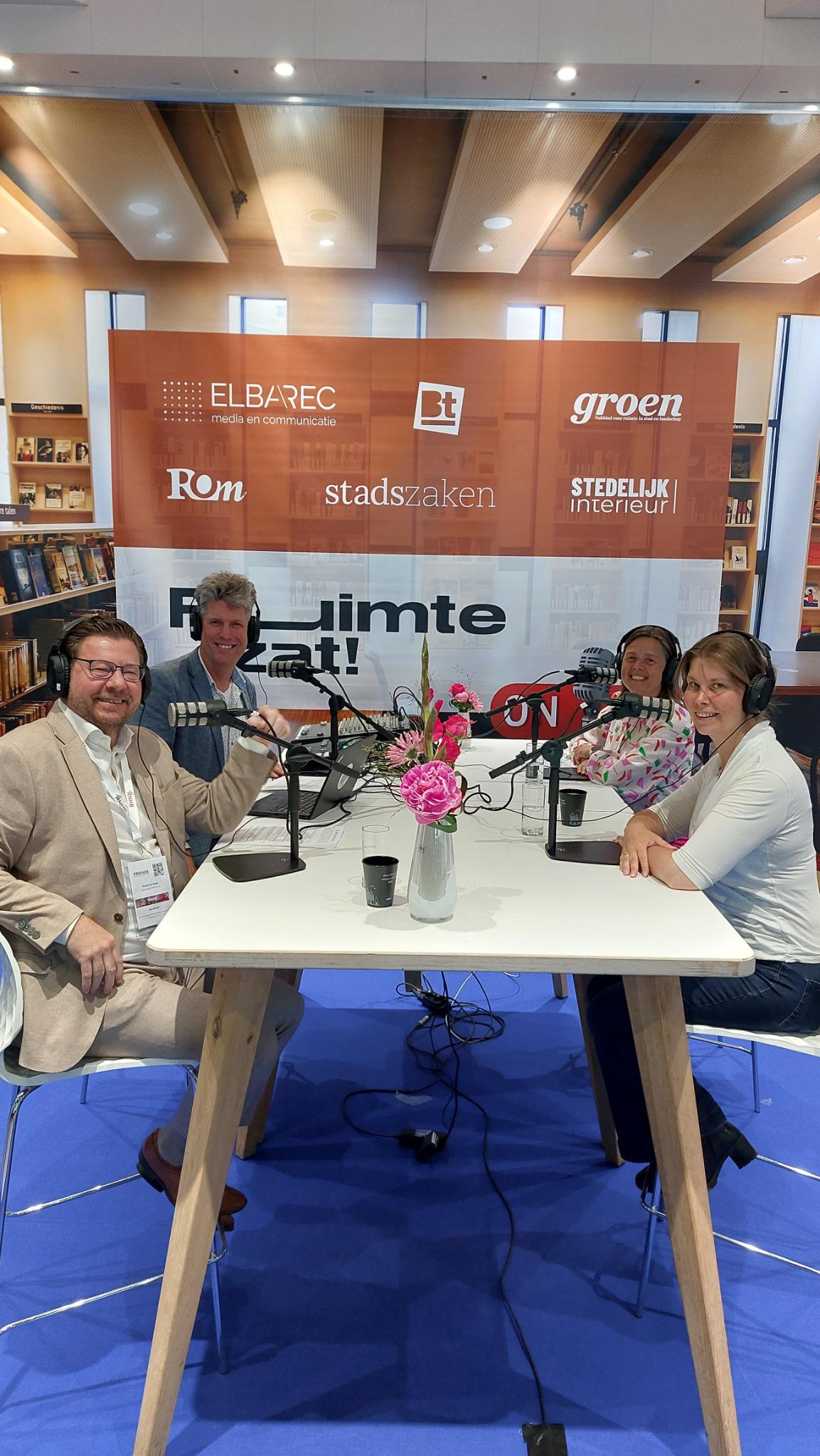
#34 Daniel de Klein, Mary Jorritsma en Liese Vonk overbruggen de kloof tussen beleid en werkelijkheid in de gebiedsontwikkeling
In deze speciale aflevering van DMI Doet, opgenomen op de Provada in samenwerking met Ruimte Zat, gaan we in gesprek met Daniel de Klein (gemeente Helmond), Mary Jorritsma (gemeente Groningen) en Liese Vonk (gemeente Rotterdam). Gemeenten werken met duizenden beleidsnota’s, elk met een eigen thema, een eigen afdeling en een eigen wethouder. Maar hoe zorg je dat al die losse boekjes uiteindelijk één samenhangende stad opleveren? Ze vertellen hoe digital twins en data helpen om verkokering te doorbreken, vertrouwen te bouwen en gebiedsontwikkeling te versnellen, van een vastgelopen plan naar 1800 woningen in één jaar. Want techniek is niet de oplossing, maar het gesprek dat je er samen mee kunt voeren, misschien wel.
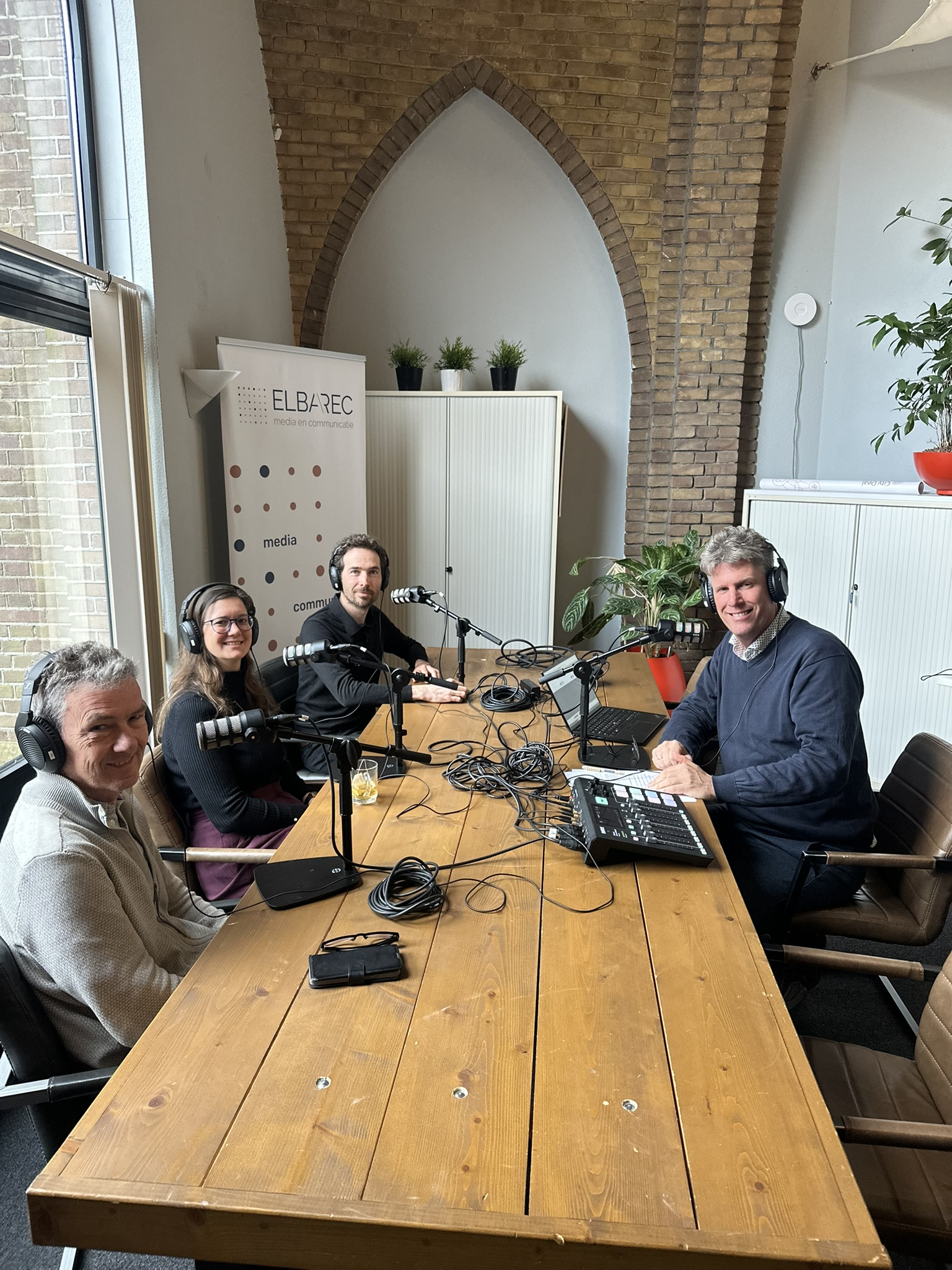
#33 Laura Tavernier, Bram Kin en Jos Streng ontrafelen de ruimteclaim van stadslogistiek
In deze aflevering van DMI Doet duiken we in de wereld van stadslogistiek. Samen met Laura Tavernier, Bram Kin en Jos Streng gaat het over een nieuw rekenmodel dat inzicht geeft in hoeveel ruimte goederenvervoer eigenlijk inneemt in de stad. Wat betekent dat voor laad- en losplekken, leefbaarheid en de inrichting van steeds drukkere binnensteden? Hoe kunnen gemeenten dit soort inzichten gebruiken bij gebiedsontwikkeling, bijvoorbeeld in straten waar wonen, werken, vergroening en bevoorrading allemaal om dezelfde vierkante meters vragen. Daarnaast verkennen we welke vervolgstappen nodig zijn om het model verder te verfijnen, met scenario’s, tijdvensters en nieuwe stedelijke functies.
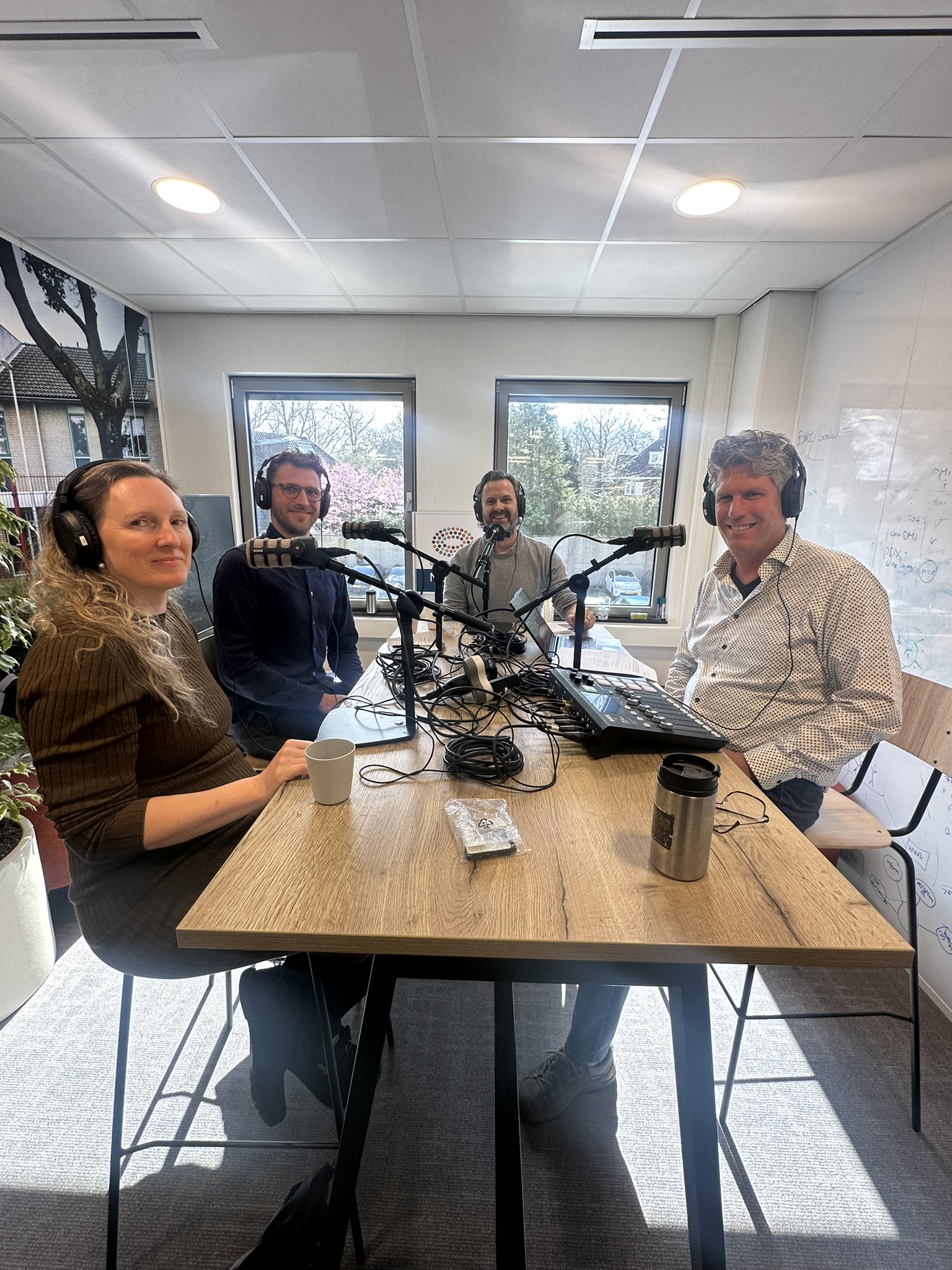
#32 Elena Chevtchenko, Eric Tol en Christian Evers werken aan één taal voor indicatoren
In deze aflevering van DMI Doet spreken we met Elena Chevtchenko, Eric Tol en Christian Evers over indicatoren: wat ze zijn, waarom ze onmisbaar zijn voor goed beleid en waarom het zo belangrijk is dat overheden dezelfde taal gaan spreken. Aan de hand van concrete voorbeelden laten zij zien hoe indicatoren helpen om doelen scherper te formuleren, voortgang te meten en betere keuzes te maken in de fysieke leefomgeving. Indicatoren helpen niet alleen om terug te kijken, maar juist ook om vooruit te sturen en beleid continu bij te stellen. Daarmee gaat dit gesprek niet alleen over data, maar vooral over de vraag hoe je samen koers houdt in een complexe praktijk.
#31 Jip van Weezel en Stan de Caluwé verslimmen de stadslogistiek
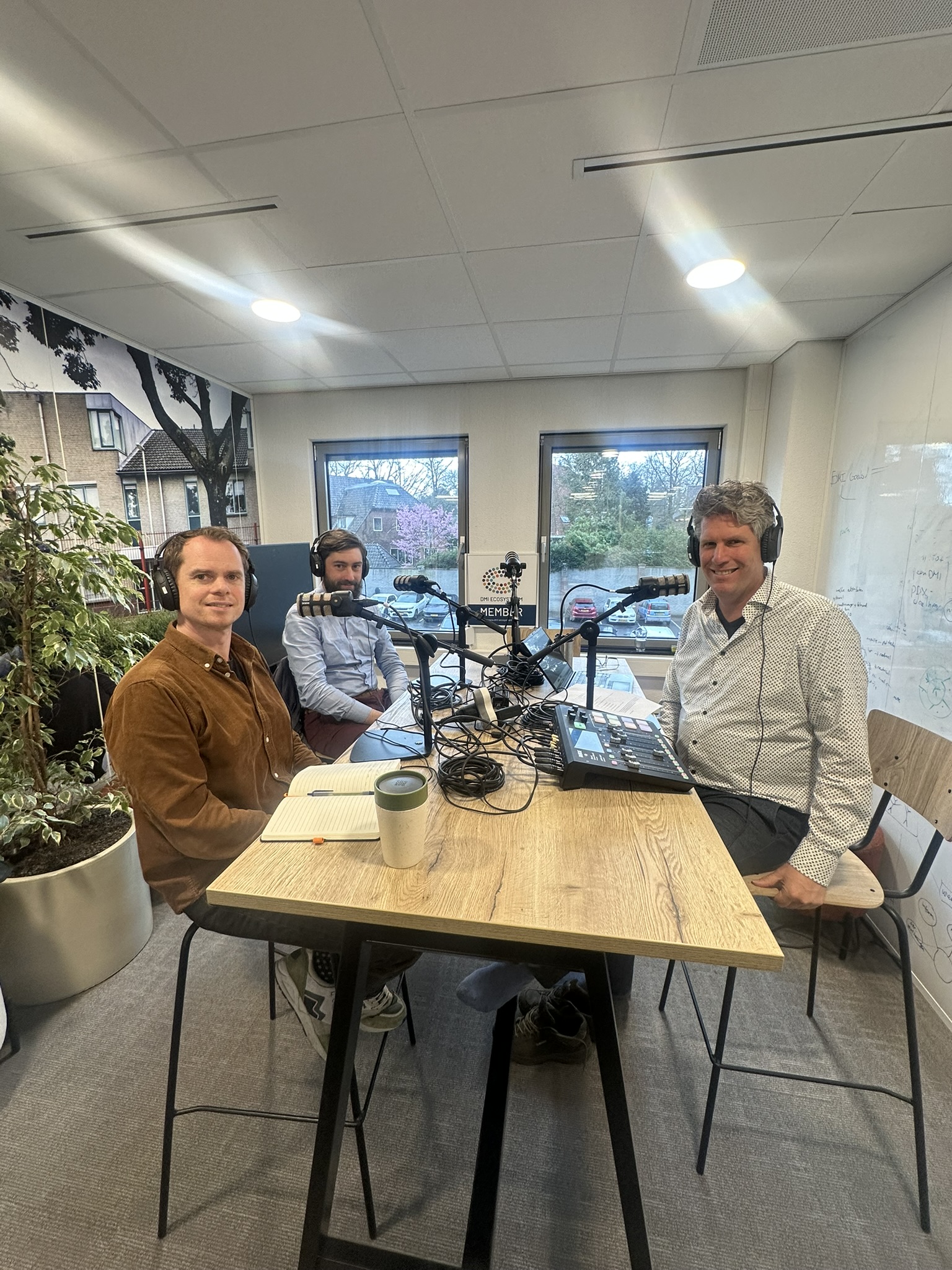
In deze aflevering van DMI Doet spreken we met Jip van Weezel (gemeente Breda) en Stan de Caluwé (gemeente Utrecht) over de vraag hoe goederen slimmer, schoner en veiliger de stad in kunnen. Ze vertellen hoe steden omgaan met volle binnensteden, beperkte ruimte en de groeiende druk van bevoorrading, bouwverkeer en servicevervoer. Ook bespreken ze welke rol data, logistieke hubs en slimme toegangssystemen spelen in de stadslogistiek van de toekomst. Daarbij kijken ze vooruit naar een stad waarin openbare ruimte en logistieke systemen steeds beter op elkaar reageren, zodat leveringen efficiënter verlopen en de leefbaarheid toeneemt.
#30 Hayo Schreijer en Joost van Dijk schetsen hoe AI DMI kan versterken
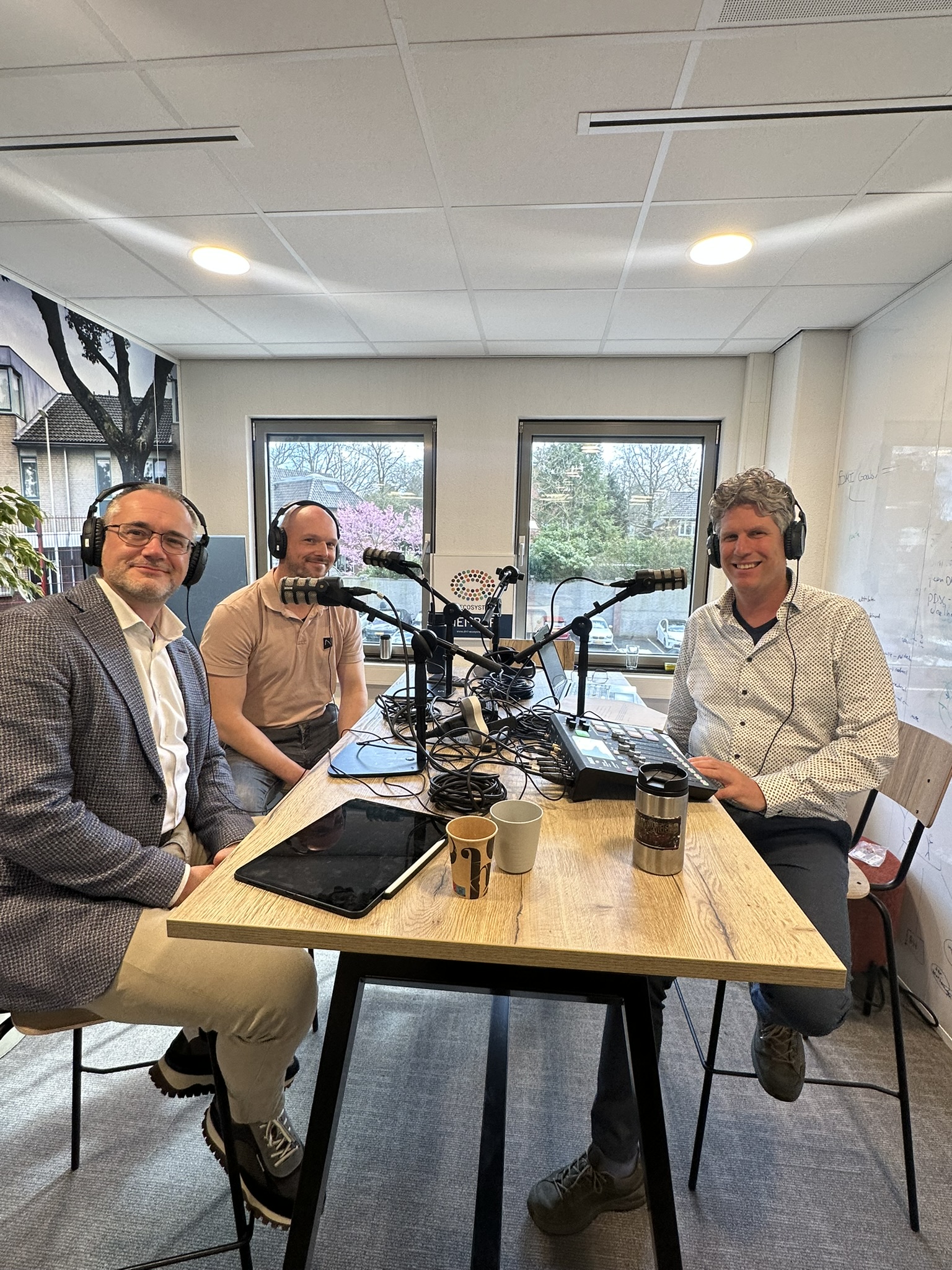
In deze aflevering van DMI Doet spreken we met Hayo Schreier en Joost van Dijk over de invloed van AI op het DMI-ecosysteem. Ze leggen uit hoe AI kan helpen bij het vinden van data, het ondersteunen van deelnemers en het versnellen van complexe vraagstukken binnen gemeenten. Ook komt aan bod waarom goede, betrouwbare data onmisbaar is als AI echt van waarde moet zijn. Daarbij kijken ze vooruit naar de rol van AI-agents en wat dat vraagt van gemeenten die hiermee aan de slag willen.
#29 Marcel Kasteleijn ontwierp GIM en legt uit wat het oplevert
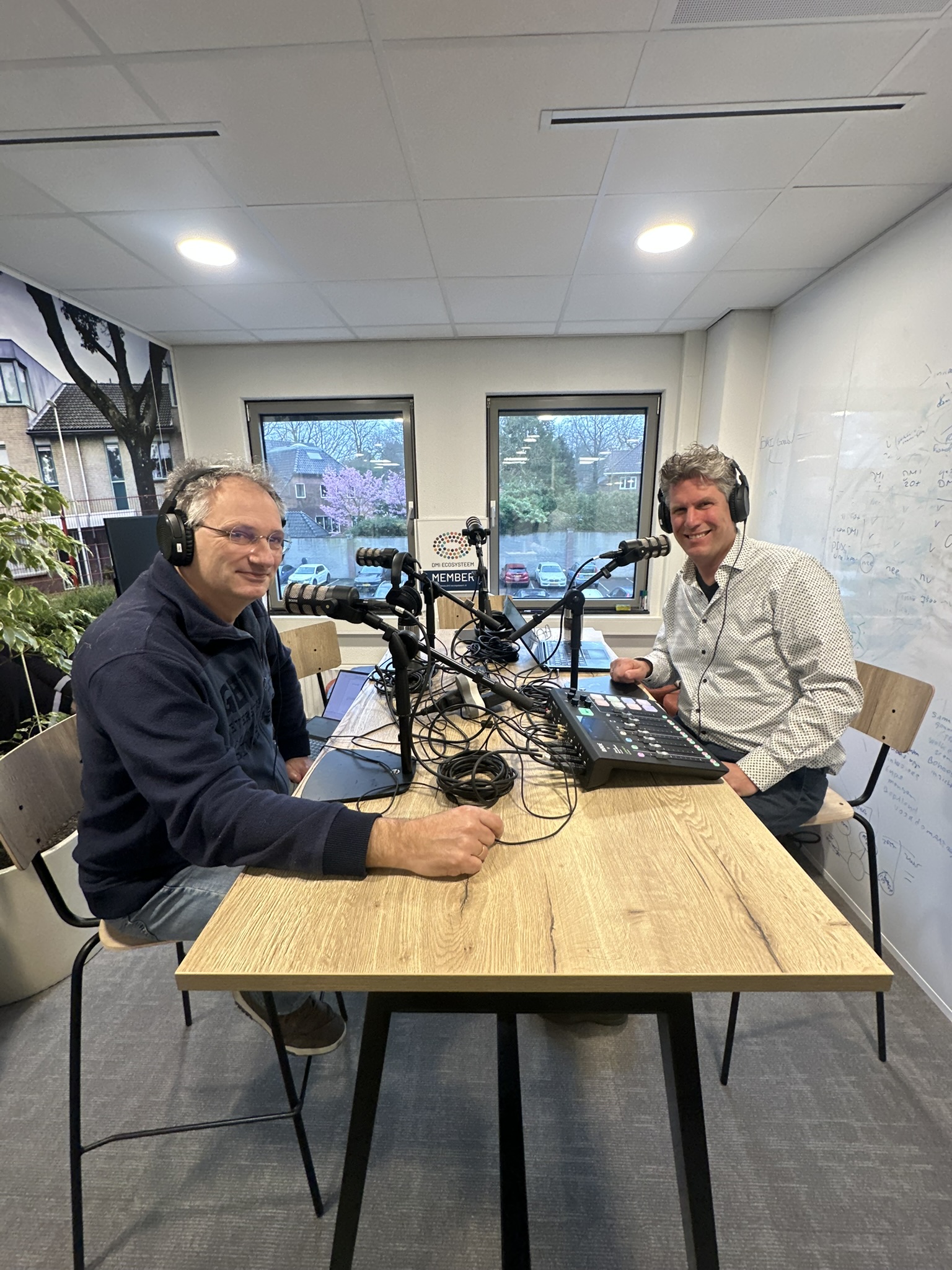
In deze aflevering spreken we met Marcel Kasteleijn, oprichter en CTO van GIM. Marcel vertelt het idee achter het Geometrisch Informatiemodel: een datastructuur waarin alles met een vorm, van lantaarnpaal tot brug, digitaal kan worden vastgelegd en verrijkt met informatie. Wat betekent het als we onze fysieke leefomgeving steeds nauwkeuriger digitaal kunnen modelleren? En wat levert dat op? Een gesprek over hoe we met betere data slimmer kunnen bouwen, beheren en plannen.
#28 Ronald Cozijn introduceerde het integraal gebiedsinformatiemodel bij Defensie
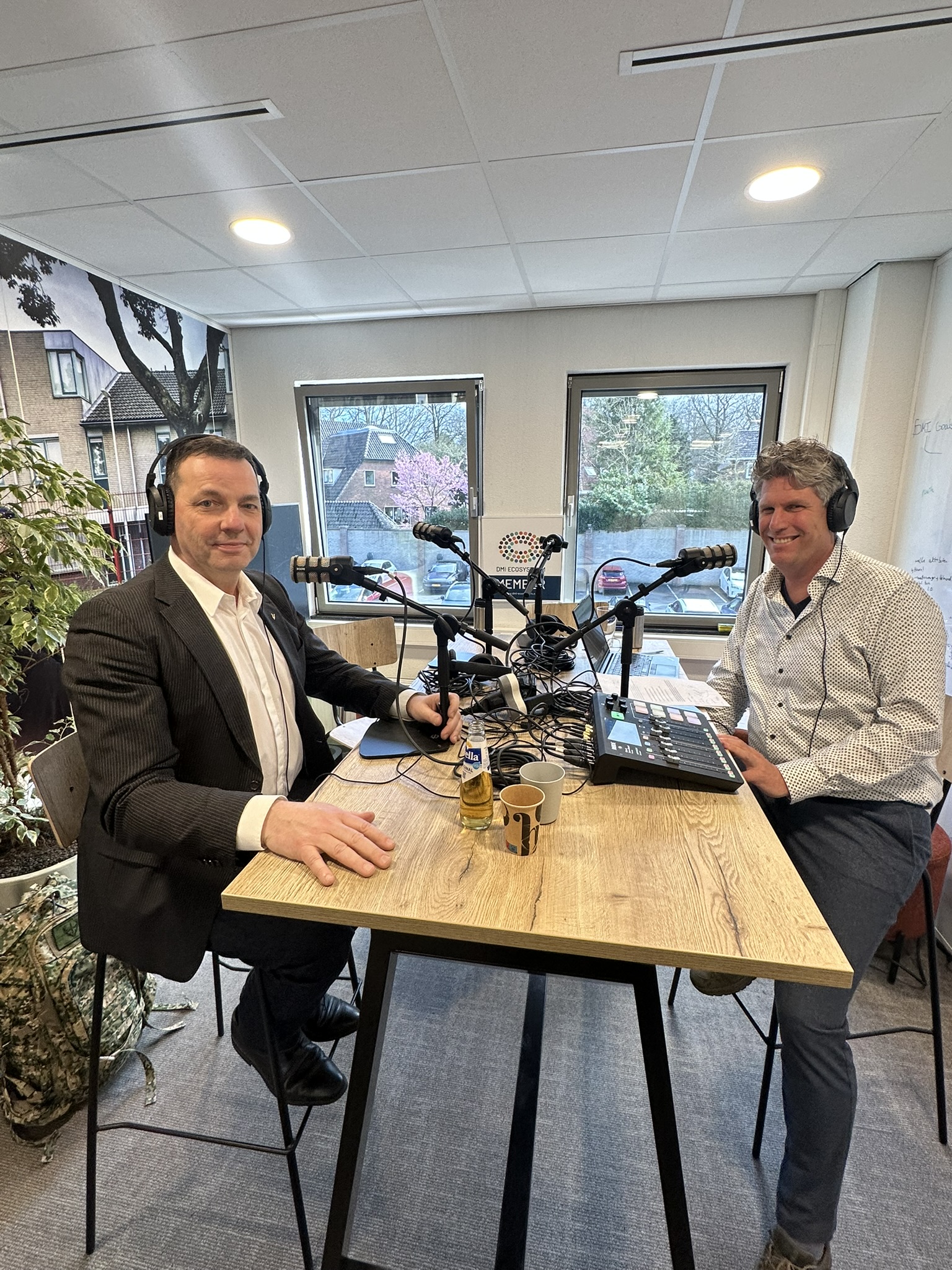
In deze aflevering van DMI Doet luisteren we naar Ronald Cozijn, majoor-reservist bij de Koninklijke Landmacht. Ronald introduceerde het integraal gebiedsinformatiemodel (iGIM) bij Defensie. Zo’n model neerzetten binnen een grote organisatie als Defensie vraagt meer dan alleen technologie. In deze aflevering vertelt Ronald wat er intern nodig was om dit voor elkaar te krijgen: het luisteren naar de werkvloer, het overtuigen van collega’s van de waarde van data, en het stap voor stap bouwen aan draagvlak voor een nieuwe manier van werken. Luister mee en ontdek welke lessen jij kan meenemen voor de digitale transformatie in jouw organisatie.
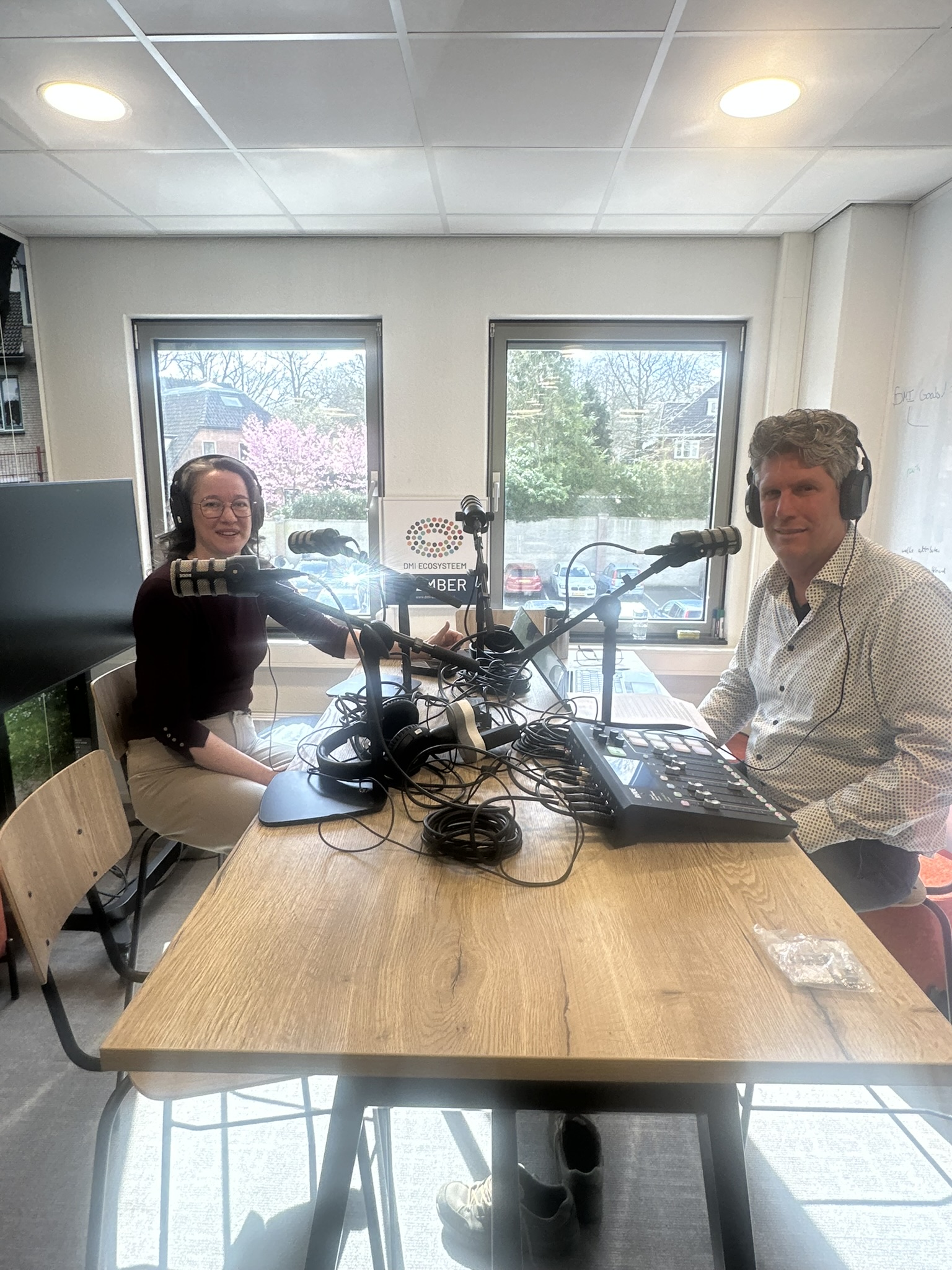
#27 Anna Bootsma zoekt uit hoe mobiliteitshubs echt gaan werken
In deze aflevering van DMI Doet spreken we met Anna Bootsma over mobiliteitshubs. Wat zijn mobiliteitshubs precies, waarom worden ze steeds belangrijker en hoe kunnen ze helpen om onze steden leefbaarder en beter bereikbaar te maken? Anna werkt bij DMI en coördineert de Hub Design Academy, waar gemeenten samen leren hoe ze mobiliteitshubs kunnen ontwikkelen in nieuwe wijken. In het gesprek vertelt ze waarom hubs meer zijn dan alleen een plek om te parkeren, hoe ze ruimte kunnen vrijmaken voor woningen en groen, en waarom gedragsverandering misschien wel de grootste uitdaging is.
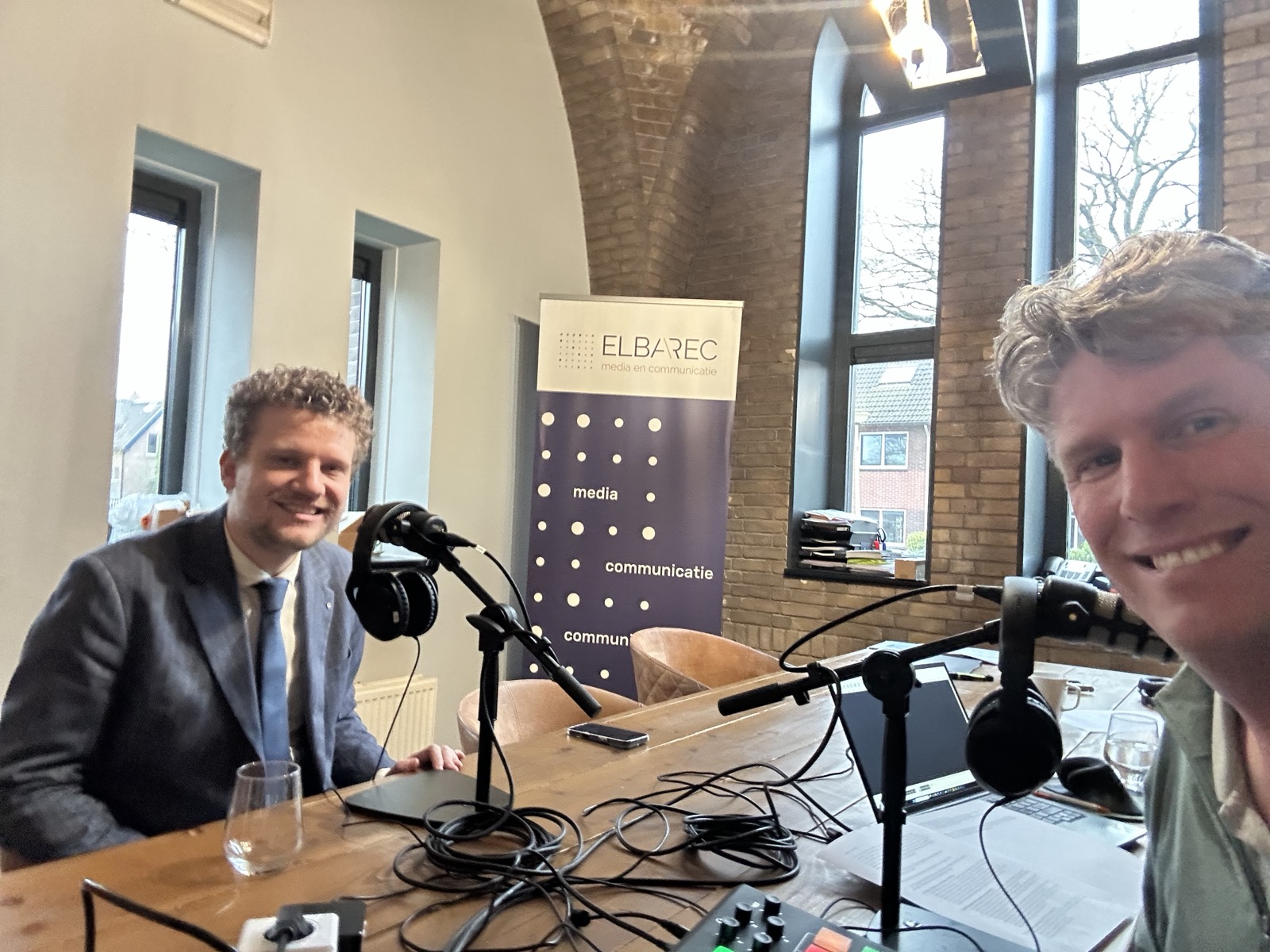
#26 Tyas Bijlholt geeft als wethouder richting aan een groeiende stad
In deze aflevering van DMI Doet spreken we met Tyas Bijlholt, wethouder in Amersfoort, over de impact van mobiliteitskeuzes op een groeiende stad. Hoe neem je als bestuurder besluiten die noodzakelijk zijn, maar niet altijd populair? We blikken terug op het veelbesproken parkeerreferendum en de lessen die dat opleverde over timing, communicatie en leiderschap. Ook bespreken we hoe data en samenwerking binnen DMI helpen om betere en snellere keuzes te maken. Een open gesprek over moed, transities en bouwen aan de stad van morgen.
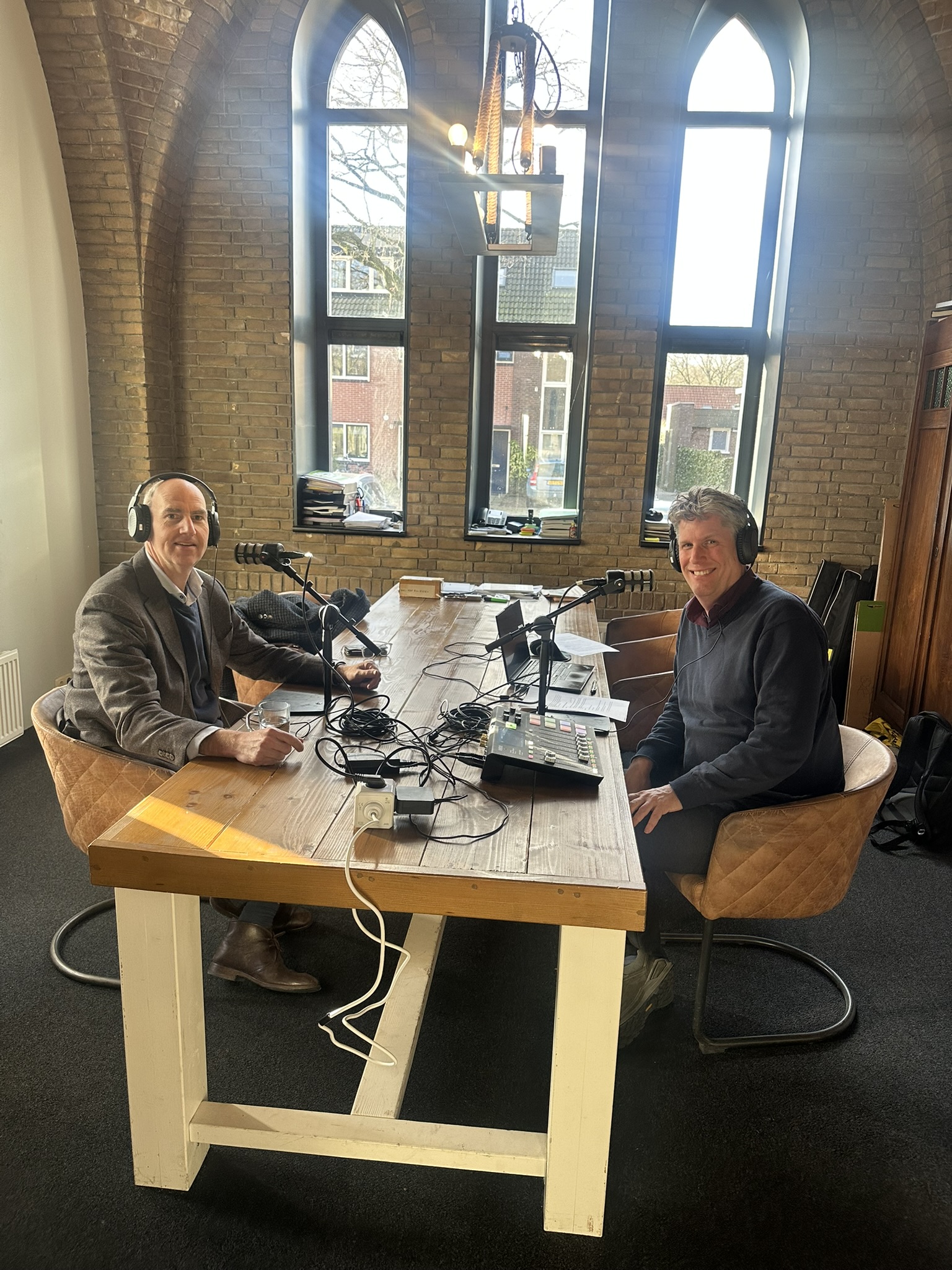
#25 Willem van Heijningen ontsluit de toekomstbestendige stad met data
In deze aflevering van DMI Doet gaat host Jan-Willem Wesselink in gesprek met Willem van Heijningen, strateeg openbare ruimte bij de gemeente Amsterdam. Samen verkennen ze hoe data kan helpen bij het oplossen van complexe stedelijke vraagstukken zoals ruimtegebrek, mobiliteit, klimaatadaptatie en energietransitie. Ontdek hoe slim gebruik van data en samenwerking binnen het DMI-ecosysteem bijdraagt aan toekomstbestendige steden.
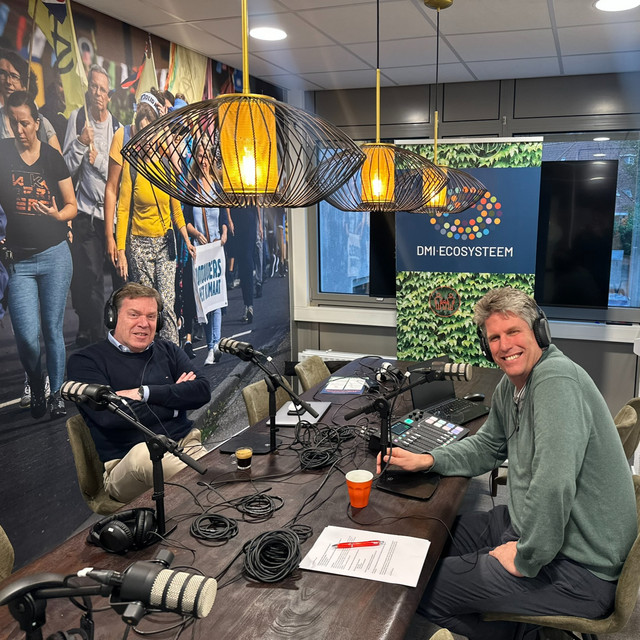
#24 Vincent Habers increasingly sees working with data as a professional responsibility
In this episode of DMI Doet, Jan-Willem Wesselink talks to Vincent Habers, one of the founders of the DMI ecosystem. Together, they explore what data really is, why it has become indispensable in spatial planning, and how better data sharing leads to sharper decisions, lower failure costs, and greater quality of life. Vincent explains in an accessible way how the Product Data Exchange (PDX) works and why working with data is no longer a choice, but a professional responsibility.
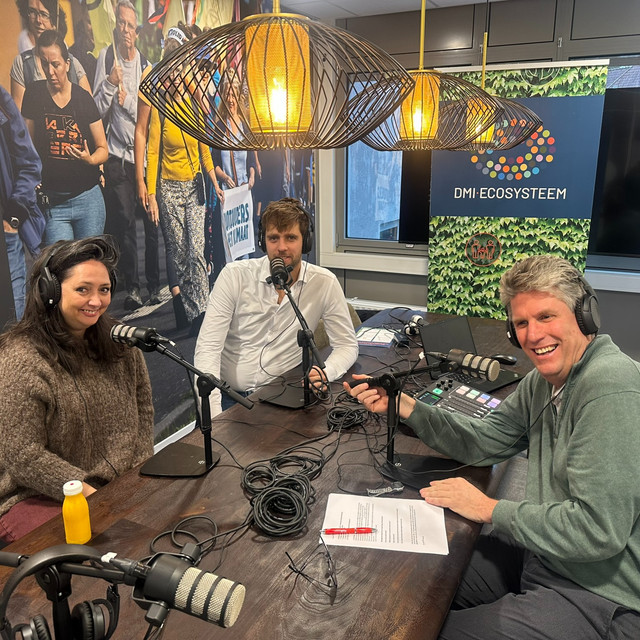
#23 Michelle van Dijk and Arjan Spruijt are collaborating on today's spatial challenges
This episode of DMI Doet focuses on one question: How can we better tackle the enormous spatial challenges in the Netherlands by working together? Michelle van Dijk (Ministry of Housing and Spatial Planning) and Arjan Spruijt (Ministry of Infrastructure and Water Management / DMI) advocate action rather than talk, optimism, and collaboration around the real issues in areas. Not based on remote policy, but with an eye for the daily practice of project leaders and area developers.
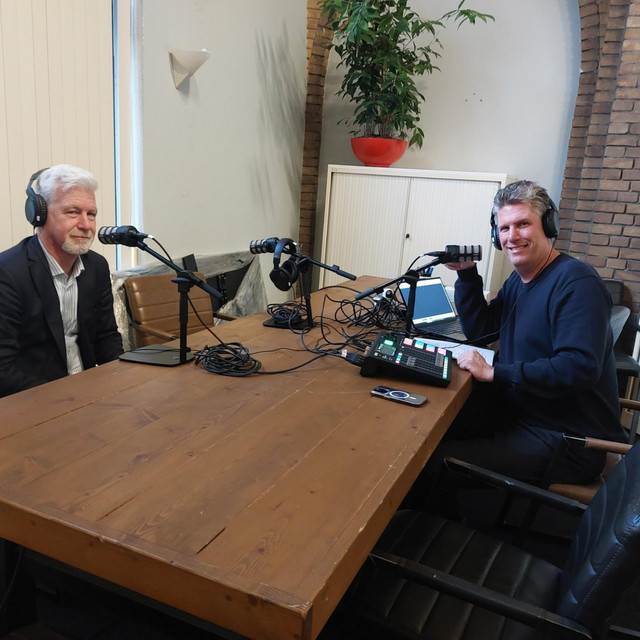
#22 Caspar de Jonge explains how digitization contributes to integrated and sustainable spatial planning
Today we are presenting a special episode of DMI Doet in collaboration with Ruimte Zat. In the run-up to the municipal elections, we are examining how political choices affect the organization of our space. Not through politicians, but by engaging in conversation with experts in the field. Theme central Theme is digitization. Joining us today is Caspar de Jonge, program manager of the DMI ecosystem. We explore how digital resources and data contribute to integrated, sustainable area development and spatial planning.
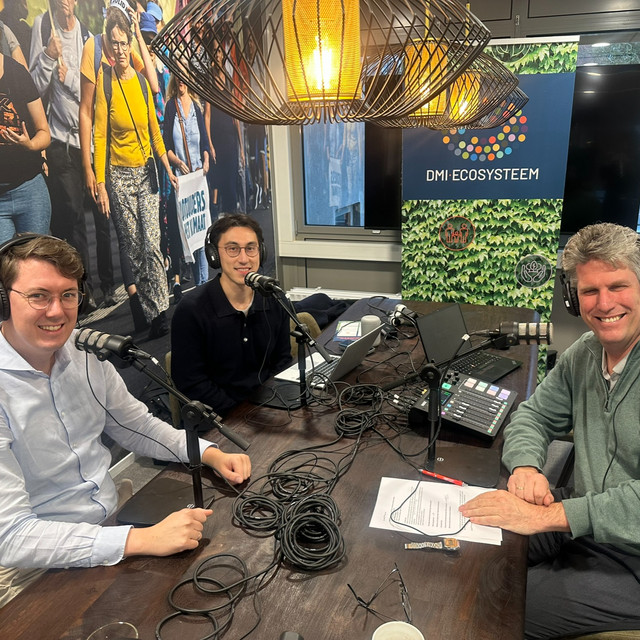
#21 Niek Hendriks and Nico Spijkers are working towards a Digital Twin App Store at the European level.
This episode of DMI Doet focuses on the next step in working with digital twins: the development of a European Digital Twin App Store. Jan-Willem Wesselink talks to Niek Hendriks (municipality of Alkmaar) and Nico Spijkers (Ministry of Housing and Spatial Planning) about the ambition to grow from separate pilots to a shared infrastructure at European level. What is needed to achieve this, and what are the benefits of being able to better share, reuse, and scale up digital applications? The conversation shows how, based on existing knowledge and experience in this field, there is an opportunity for the Netherlands to take a leading role at the European level.
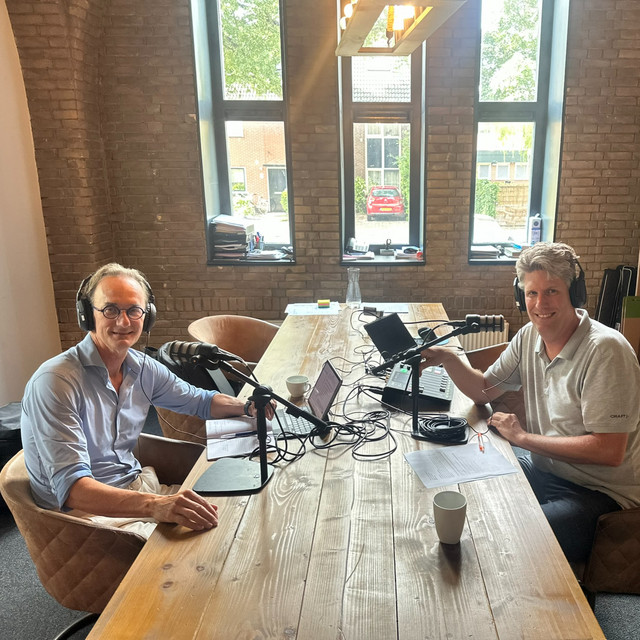
#20 Maarten Veeger takes us on a journey through the digital transformation of your organization
Digital transformation often sounds like something technical, but in practice it is mainly about people, making choices, and working together. How do you get an entire organization on board with that process? In Zwolle, they have been working with data on how residents experience their city for thirty years. Maarten Veeger, former director of physical affairs at the municipality of Zwolle (and, as of September, civil servant responsible for mobility, energy, and information locations), explains how these insights help to steer policy and what role administrative courage plays in making difficult choices. He also discusses the changing role of policy advisors and explains why networks such as DMI are essential to accelerating digital transformation. Listen to this episode of DMI Doet now!

#19 Bob Beelen, Oscar Willems and Luc van Loo chart SAIL Amsterdam with data
How do you keep 2.5 million visitors safe during a huge event like SAIL Amsterdam? In this episode of DMI Doet, Bob Beelen (KPN), Oscar Willems (Avineon Tensing) and Luc van Loo (Analyze) talk about how they are using data, models and smart collaboration to literally and figuratively map SAIL. From heat stress to crowd control - hear how data collaboration helps guide the city.

#18 Joost de Kruijf, Margriet Heesels and Martijn Geervliet digital twinning with bicycle data: bicycle-friendly, safer and more beautiful Breda
Joost de Kruijf (SmartwayZ), Margriet Heessels (Bredata) and Martijn Geervliet (Municipality of Breda) are jointly building a Digital Twin in Breda based on bicycle data from the city. In this episode of DMI Doet, they talk about the lessons learned from this challenge. For example, what do you do when you are told that data is incorrect? In addition, they talk about what the Digital Twin delivers in practice. Listen in and find out what Breda is doing.
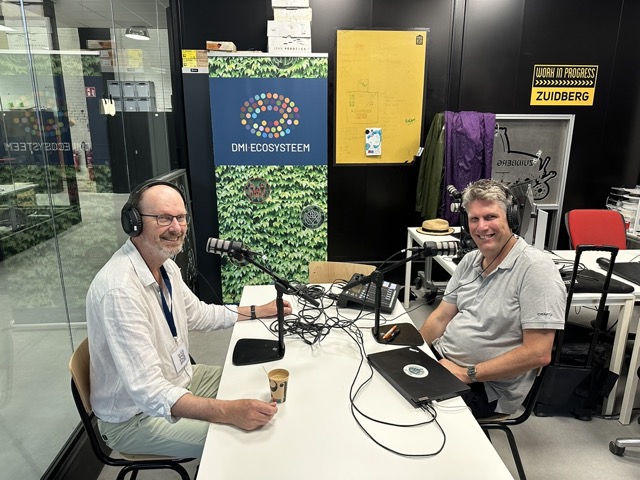
#17 Syb Tkepkema works data-driven with an eye on the neighborhood
Zwolle's Assendorp is a characteristic pre-war neighborhood, once built for workers of the Dutch Railways. By now it has grown into a lively and diverse place - beloved among Zwolle residents. However, the neighborhood does struggle with challenges such as flooding, heat stress and parking pressure. Syb Tjepkema, senior policy advisor for mobility at the Municipality of Zwolle, is committed to improving Assendorp on a daily basis.
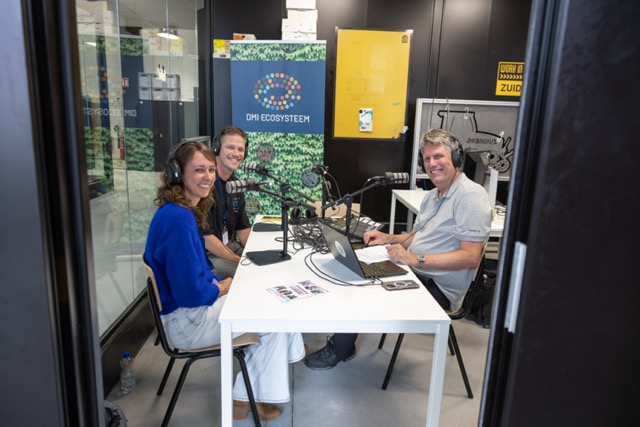
#16 Evelyne Deceur and Dennis Martens reassess how we look at vulnerable neighborhoods
How can you use data to get a grip in vulnerable neighborhoods? In this episode of DMI Doet, Evelyne Deceur (City of Ghent) and Dennis Martens (National Program Heerlen-North) share how they use data and people skills to build stronger neighborhoods. The conversation includes listening to residents, the power of professionals and why simple solutions are not always easy. It is only when data and practice find each other that there is room for progress.
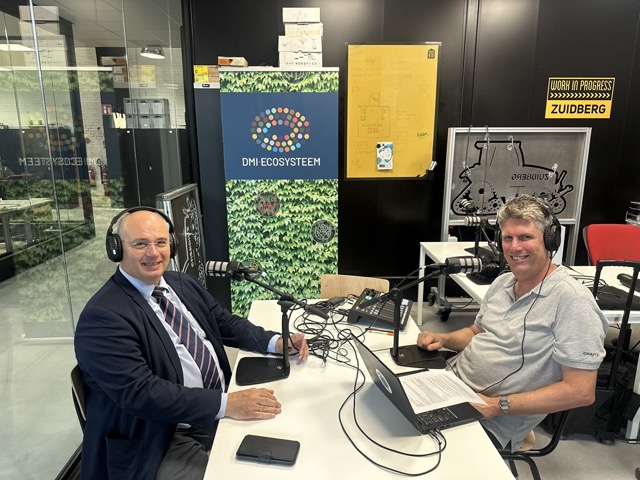
#15 Martin Peersmann makes the underground transparent
Martin Peersmann is program manager for Basic Subsurface Registration at the Ministry of Housing and Spatial Planning. He takes you into a world unknown to many: the subsurface. Martin shows how, over time, we have become increasingly alienated from what lies beneath our feet. Whether it's housing construction, the laying of sewers, the reinforcement of electricity and internet networks - the Subsurface Base Registry is indispensable.
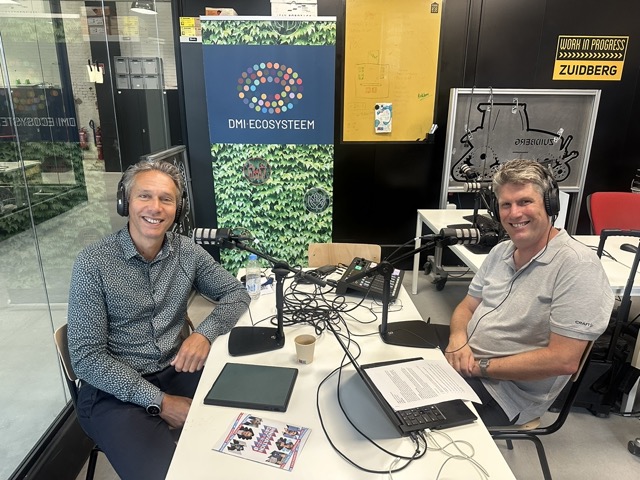
#14 Joost de Bruijn works with mobility data on integrated area development
How do you get specialists to look beyond their own area of expertise - and make an integrated approach most important? Joost de Bruijn is program director at Goudappel. He wants to make better use of insights from mobility data for broader integrated area development. This requires a step outside the boundaries of one's own domain. Joost shows how data and the DMI ecosystem contribute to an approach that goes beyond mobility alone.
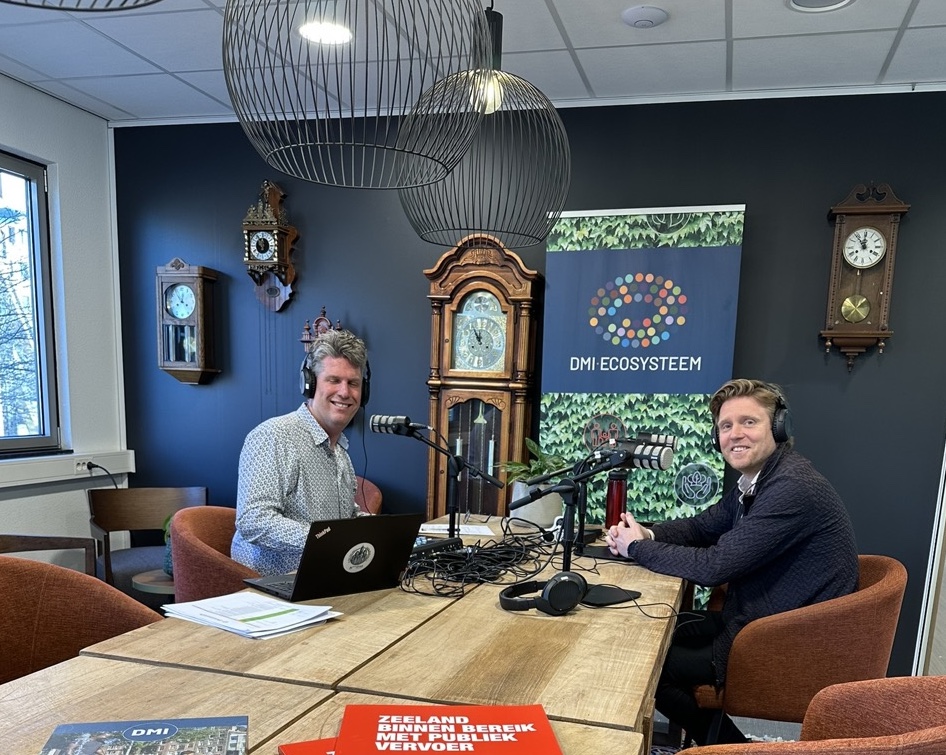
#13 Dennis Groot builds the PDX for DMI and tells how it works
In this episode of DMI Doet we dive into the Products and Data Exchange (PDX) with Dennis Groot of AMS-IX, a crucial link within the DMI ecosystem. How does the PDX ensure that organizations can safely and efficiently exchange data, services and products with each other? And what role do marketplaces play in this?
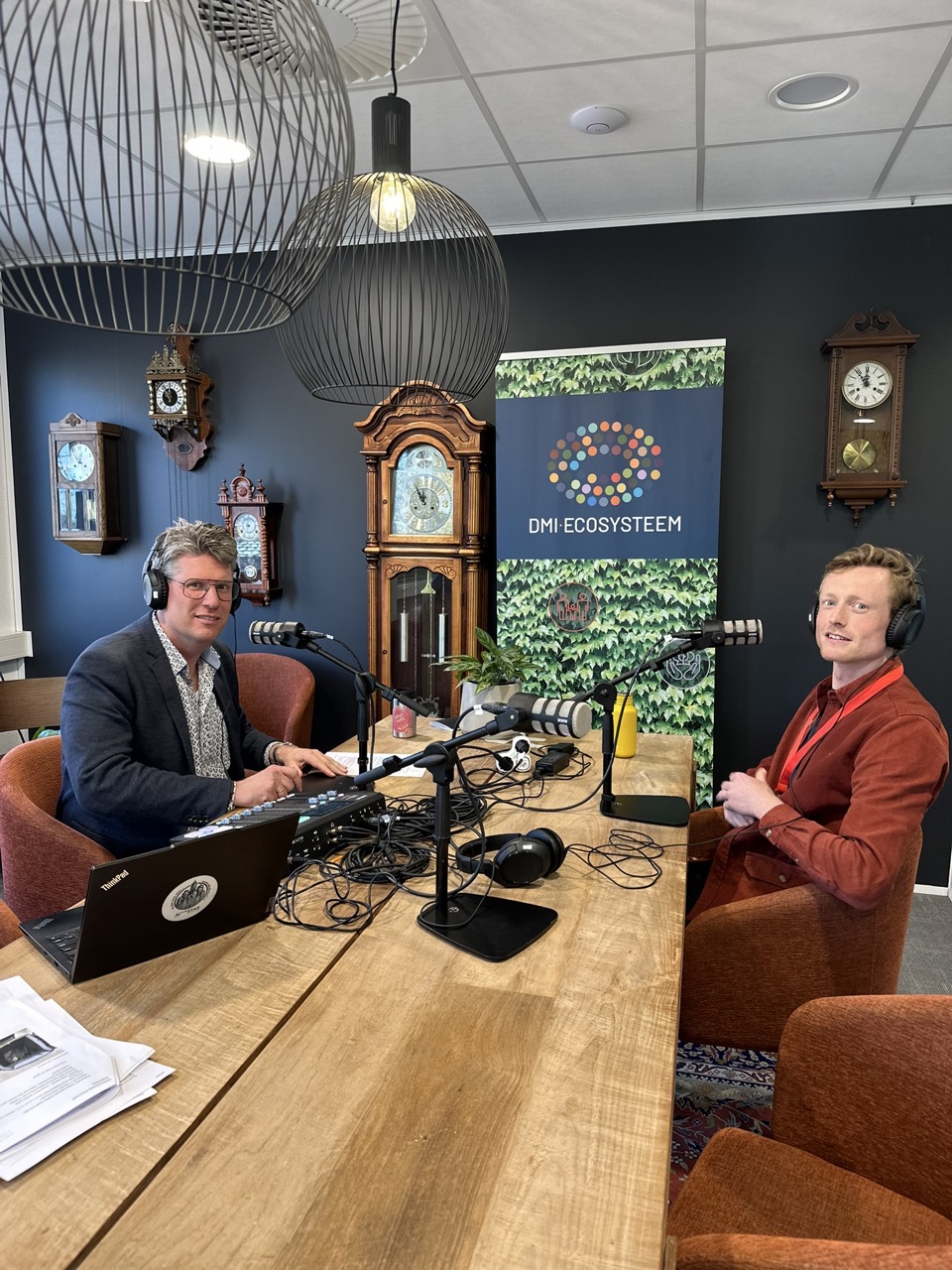
#12: Thomas Lier became a Participant at DMI and immediately posted his common on the marketplace
In this episode of DMI Doet, Thomas Lier (product manager at Esri Netherlands) tells how he placed commons on one of the marketplaces within the DMI ecosystem. He looks back on the process and indicates what opportunities he sees within the DMI ecosystem.
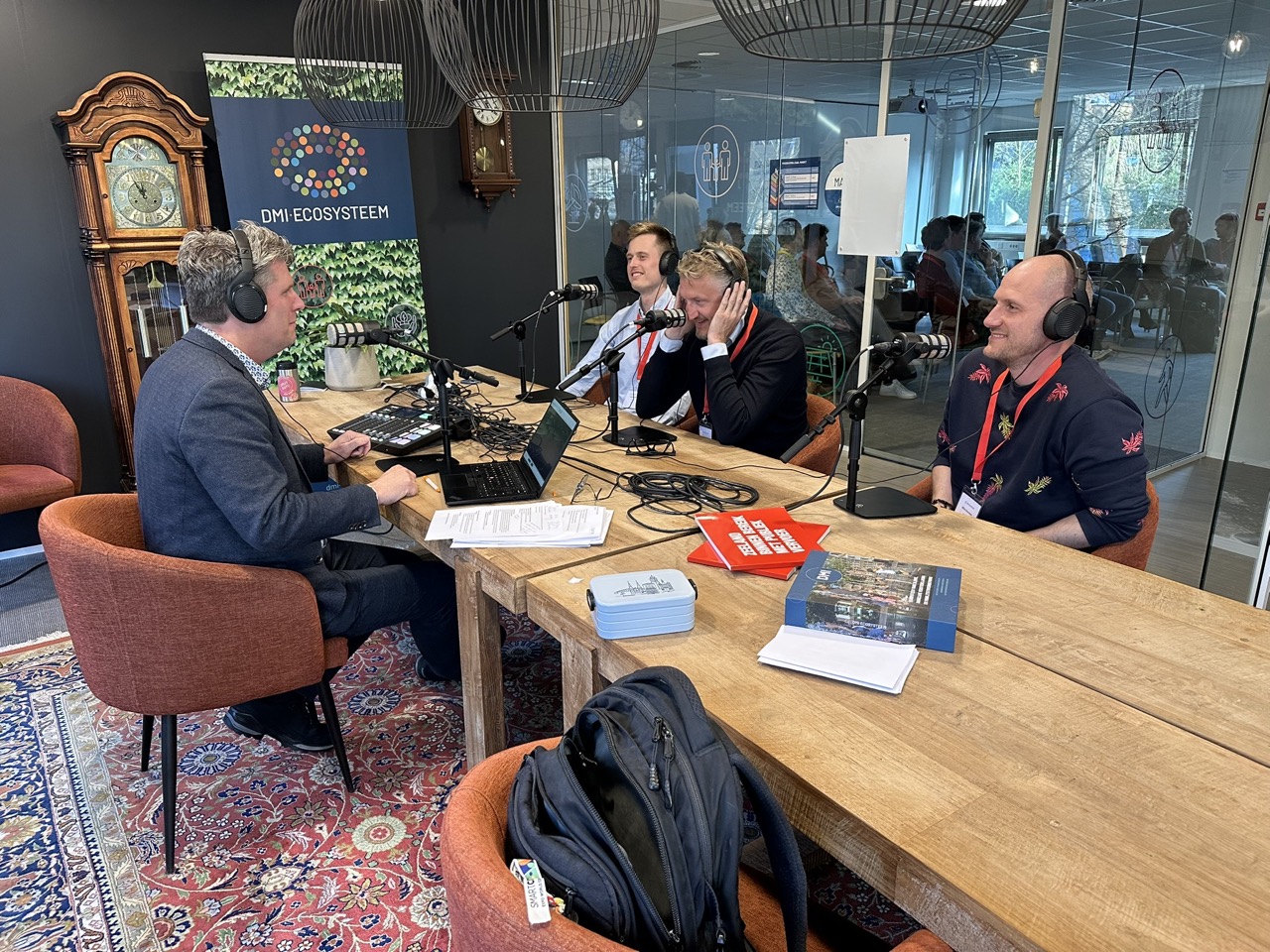
#11: Johan Huiberts, Rik de Meij and Jeffrey Schuurmans have their common on the marketplace
In this episode of DMI Doet, Johan Huiberts, Rik de Meij and Jeffrey Schuurmans of Novis & De Meij tell us which commons they have placed on one of the marketplaces within the DMI ecosystem. And they take us to the Amsterdam Zuidas, what their common is about. Walking through the area, we discover how the work of the engineering firm has changed.
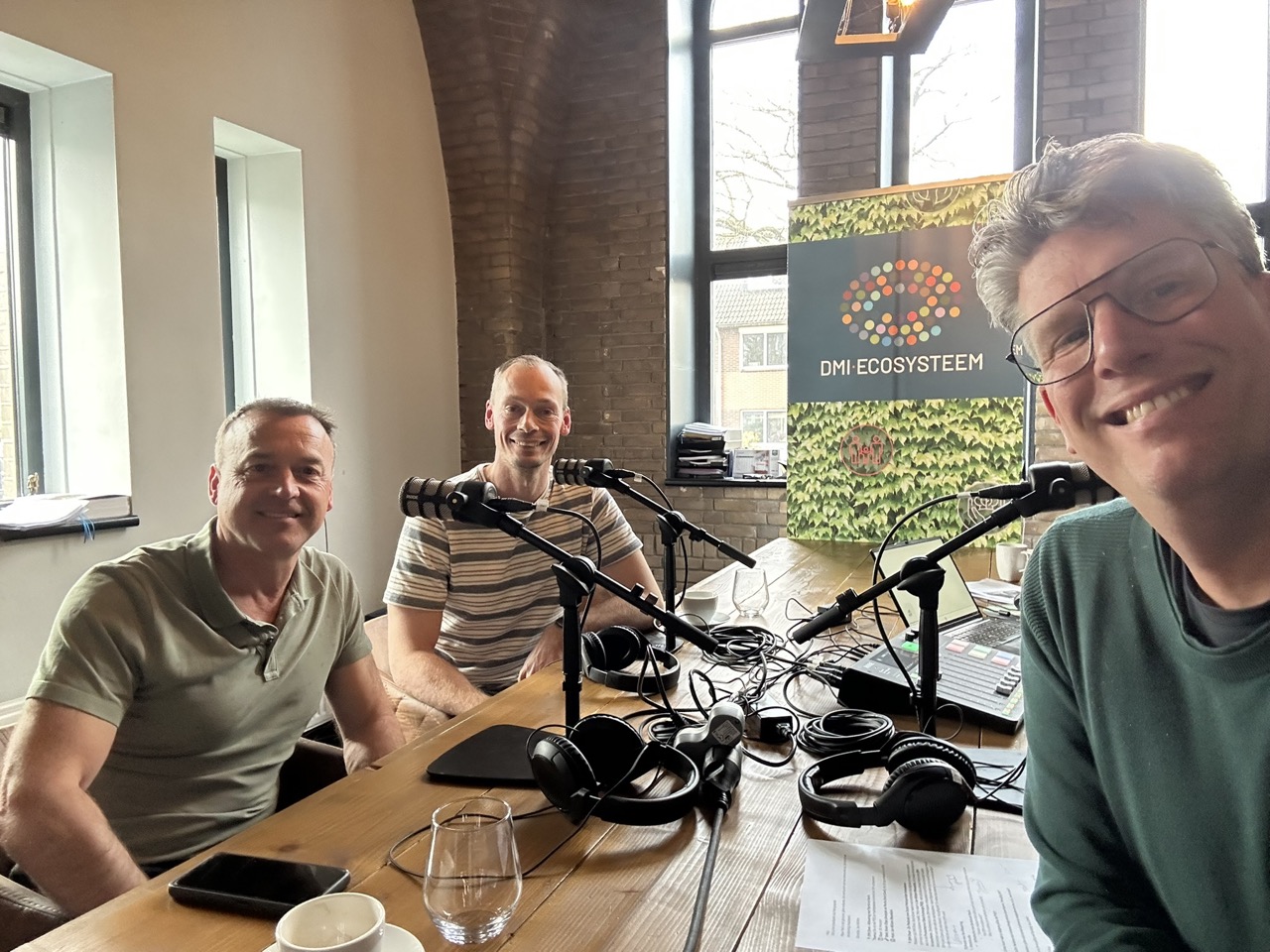
#10: Kevin Otjes and Martin Smit are onboarded at DMI and tell what that yielded
DMI participants must first register with the PDX before they can actively participate in any of the marketplaces. Kevin Otjes (Analyze) and Martin Smit (Caeli) are already there. In this episode of DMI Doet they explain how that went for them. They also tell how they got to know each other within the DMI ecosystem and how that collaboration leads to business success.
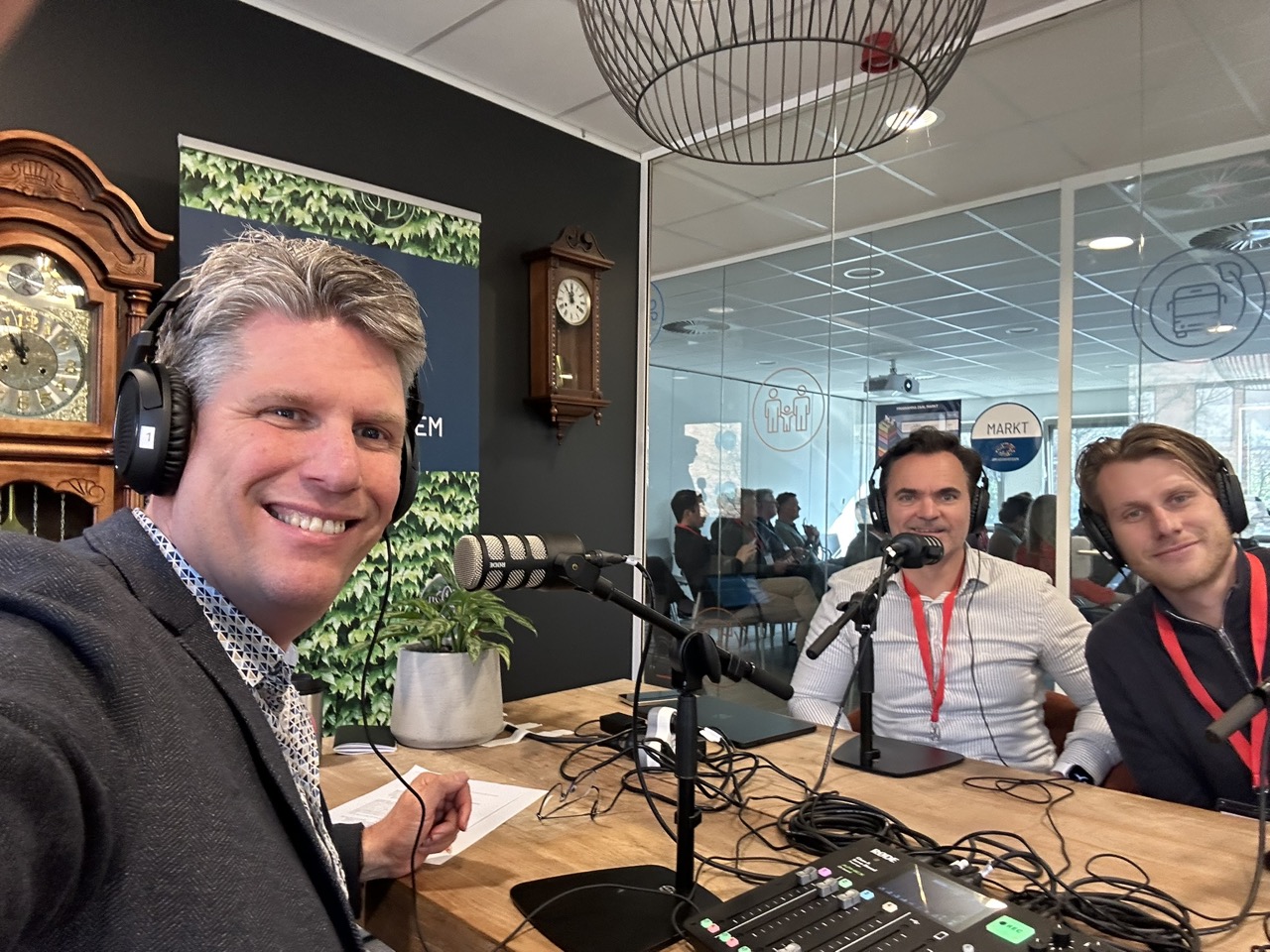
#9: Johan Posseth and Tom Griffioen met at DMI and now work together
Johan Posseth (Kurtosis) and Tom Griffioen (Clappform) explain in this episode of DMI Does what the DMI ecosystem network can lead to. They were connected by DMI and discovered that they strengthened each other because the data of one improves the analysis of the other. Listen to this special story in DMI Does.
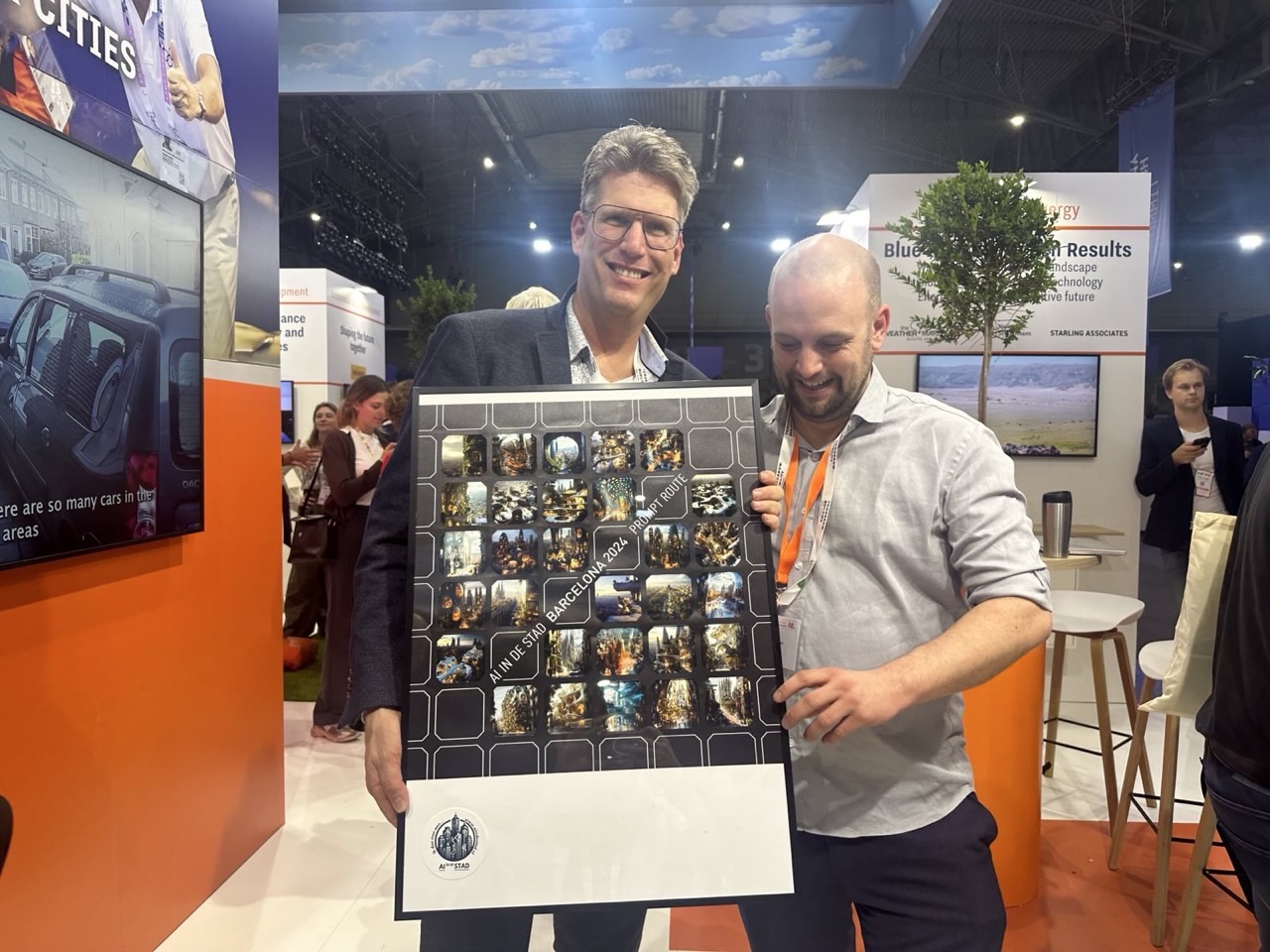
#8: Lars van Vianen makes what is not yet there and applies it to the city
Lars van Vianen (Starling) sees a challenge for artists and designers to create what does not yet exist. In this episode of DMI Doet we translate that to area development. How does innovation get off the ground and do we take the right starting point? Lars advocates a creative, concrete way of working.
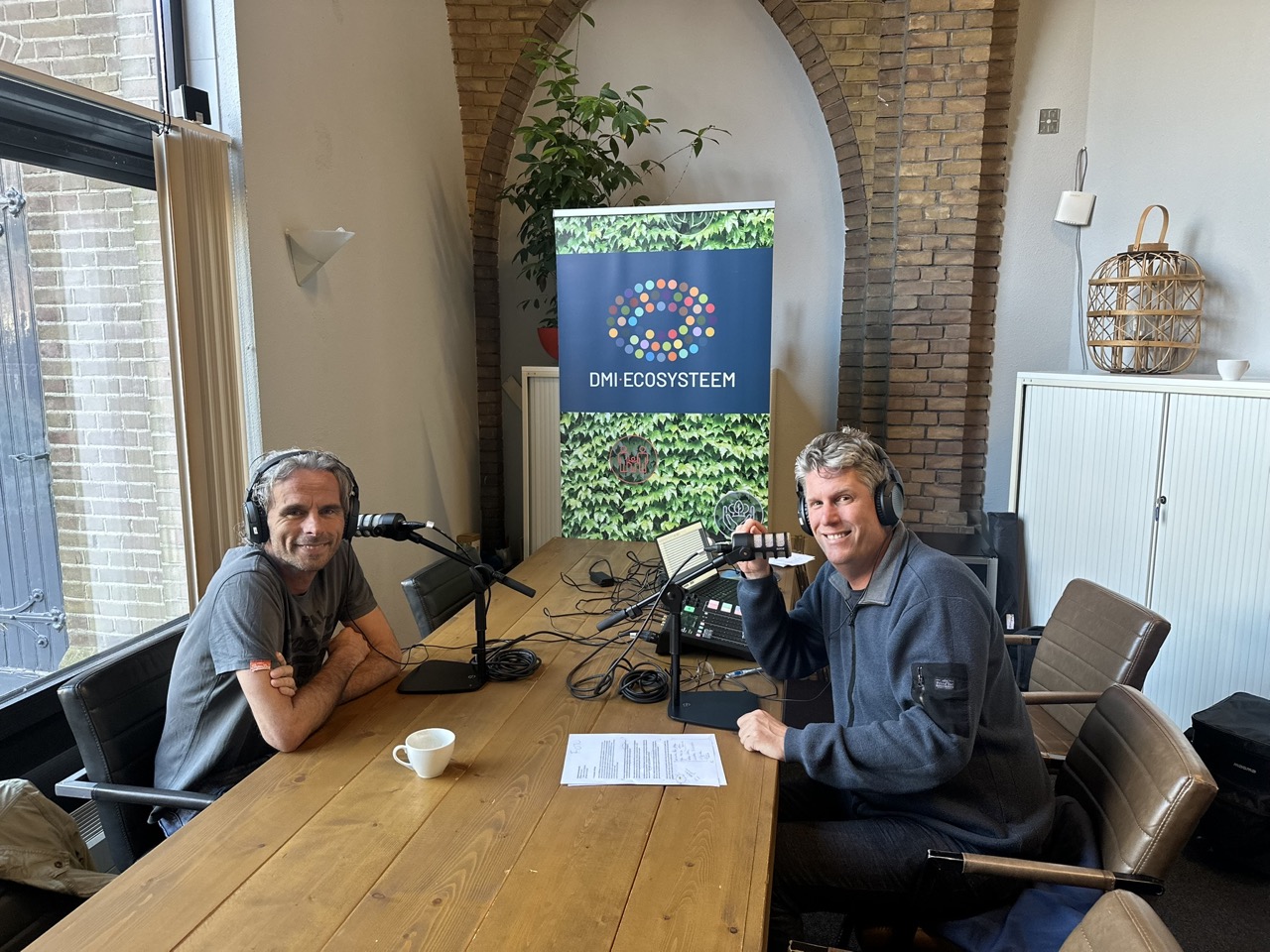
#7: Rick Klooster teaches that organizations work from a data foundation and sees what that delivers
In this episode of DMI Doet, Rick Klooster of Future Insight explains how much profit can be achieved if area development is based on a shared database instead of sending PDFs by e-mail. It leads to more efficient processes, fewer errors and better planning. Technically it has been possible for years, now it still has to be.
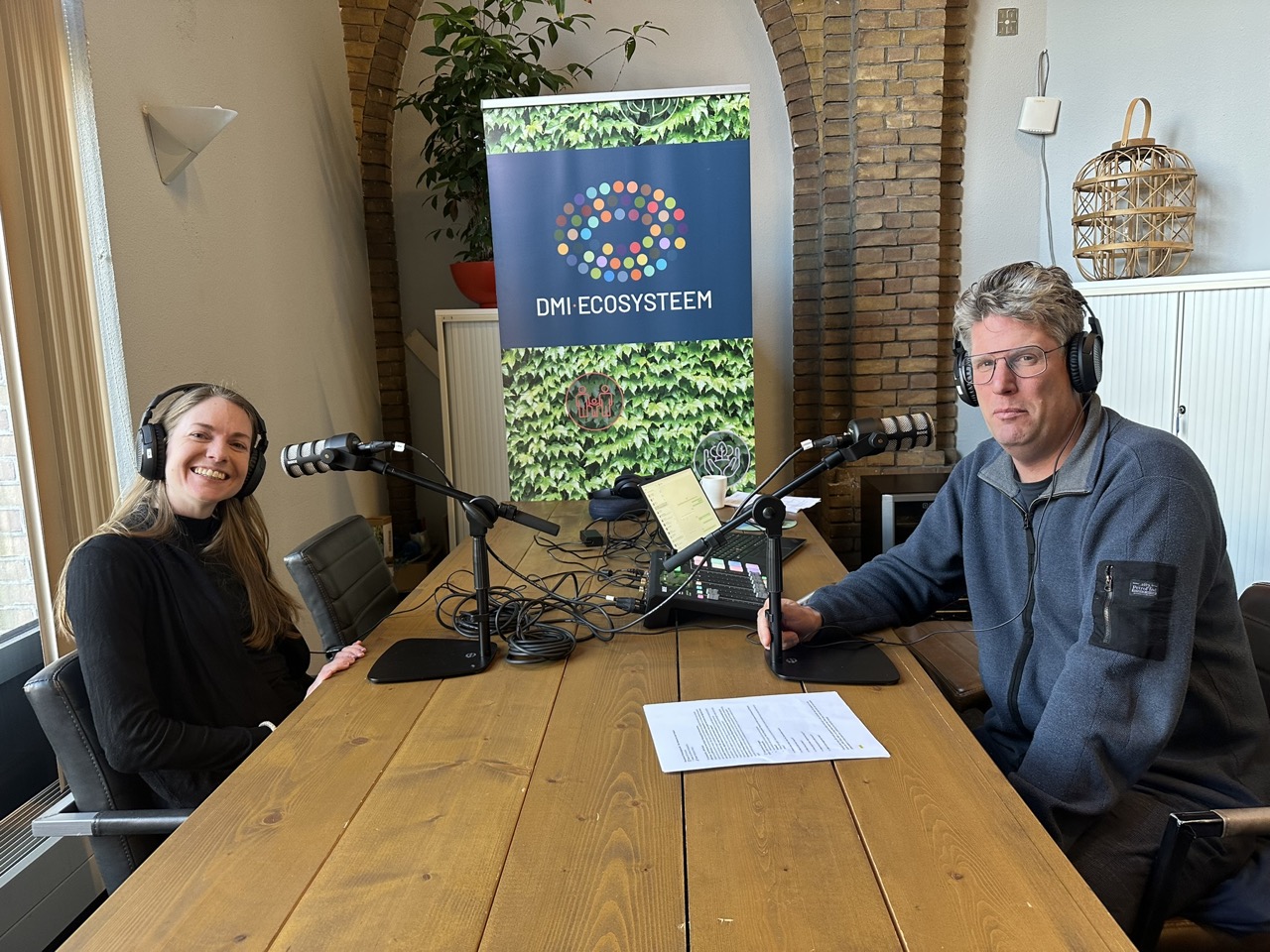
#6: Marjolein Pauly smartly future-proofs Zeehelden neighborhood in geleen
In the Zeeheldenbuurt in Sittard-Geleen, Marjolein Pauly (policy advisor Spatial Planning & Innovation at the municipality of Sittard-Geleen) experiments with digital tools to make the neighborhood more sustainable and to involve residents. And with success. In this episode of DMI Doet she shares her lessons, for example that residents like to participate if they can translate that to their own interests.

#5: Frank van Ballegooyen lets residents participate in a smart way
Frank van Ballegooyen is director-owner of Smarticipation. This company helps residents gain more influence on the design of their living environment. With data and digital tools, participation processes run faster, more effectively and offer more insight into changes. In this episode of DMI Doet we learn more about smart participation.
#4: Heidy Smit builds 5000 homes in Amersfoort and that can only be done with good information management
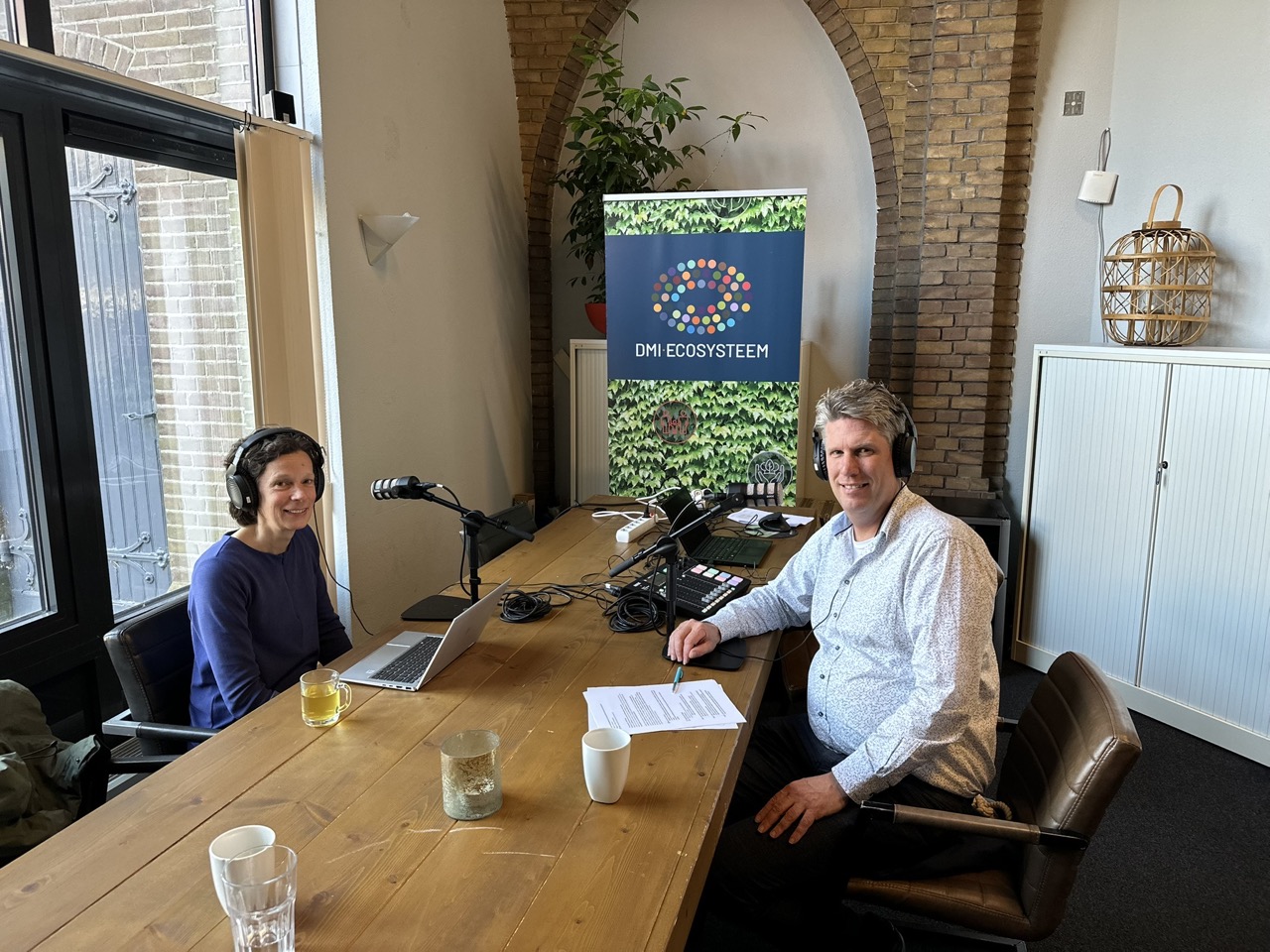
The municipality of Amersfoort faces an enormous urban planning task in the coming years: many thousands of homes will be built in the existing city. This can only succeed if you are well prepared, have your information management in order and start working from there. That is what Heidy Smit (Strategist Spatial Development at the Municipality of Amersfoort) is doing and in this episode of DMI Doet she explains how.

#3: Elena Chevtchenko hacks the design profession and finds like-minded people at DMI
Elena Chevtchenko of Posad Maxwan calls herself a spatial planning hacker. She has always worked with data, the basis of planning. She sees that it leads to better plans. In the DMI ecosystem, she finds like-minded people and sees the opportunity for a giant leap forward. Learn more in DMI Does.

#2: Michiel Oomen reinvents spatial planning and sees what it brings to Eindhoven
Michiel Oomen has been working data-driven at the Municipality of Eindhoven for years. In this episode of DMI Doet, he calls it "Urban Planning Reimagined," or in colloquial Dutch: spatial planning anno now. And that a municipality like Eindhoven is a leader in this field is not only logical for the capital of Brainport, it is also the only way to solve today's big challenges.

#1: Annius Hoornstra sees how area development is changing and the role data and information play in it
Annius Hoornstra (ThePositiveLab) has worked in area development all his life, but he has never seen the profession change so quickly. Little by little, a new business model is emerging in which other questions and values apply. To calculate this properly, you need insight and therefore information and data. That's what this episode of DMI Does is all about.