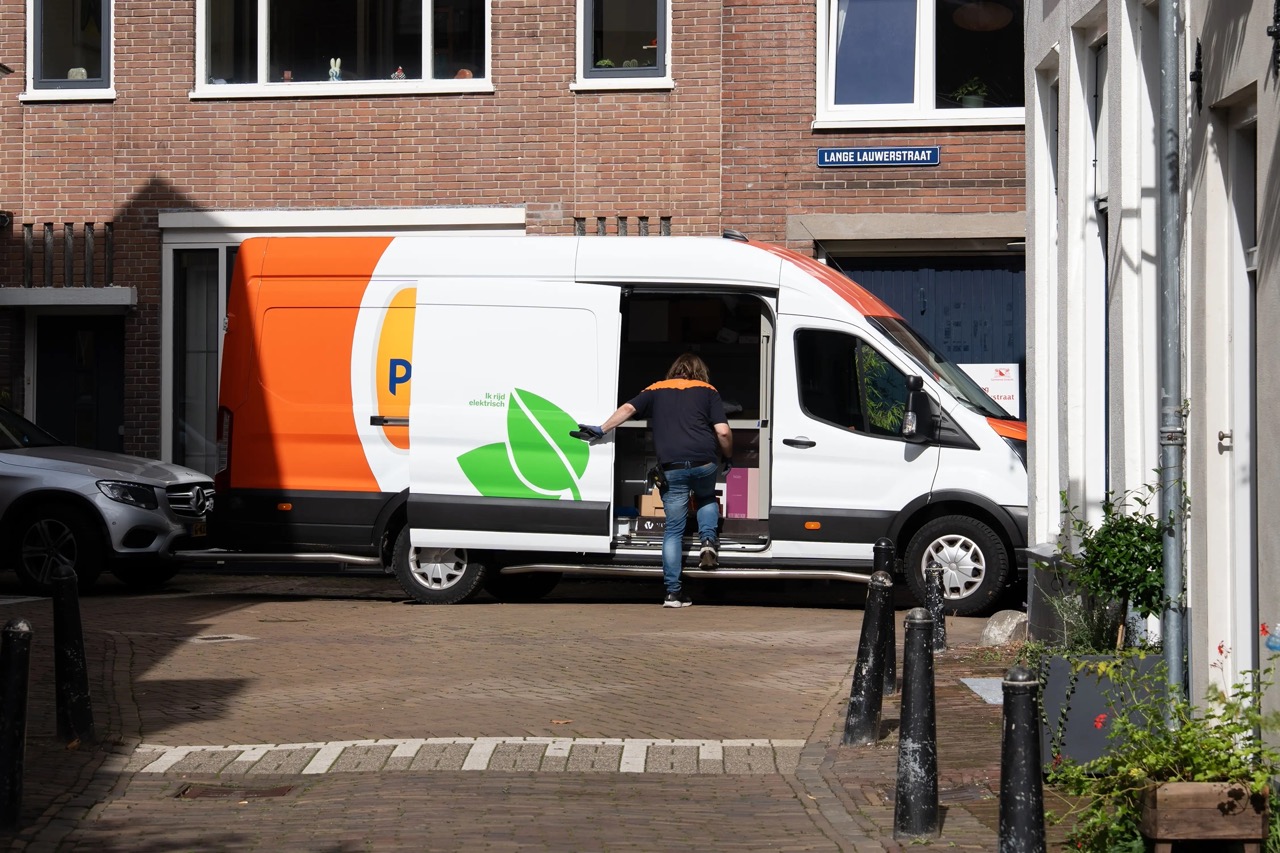
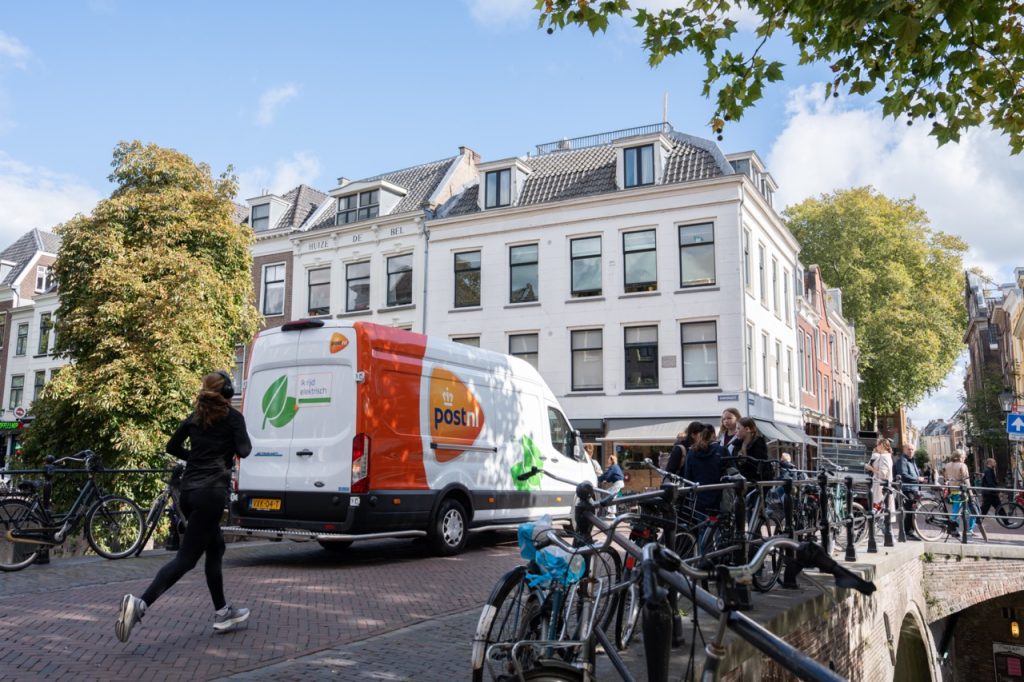
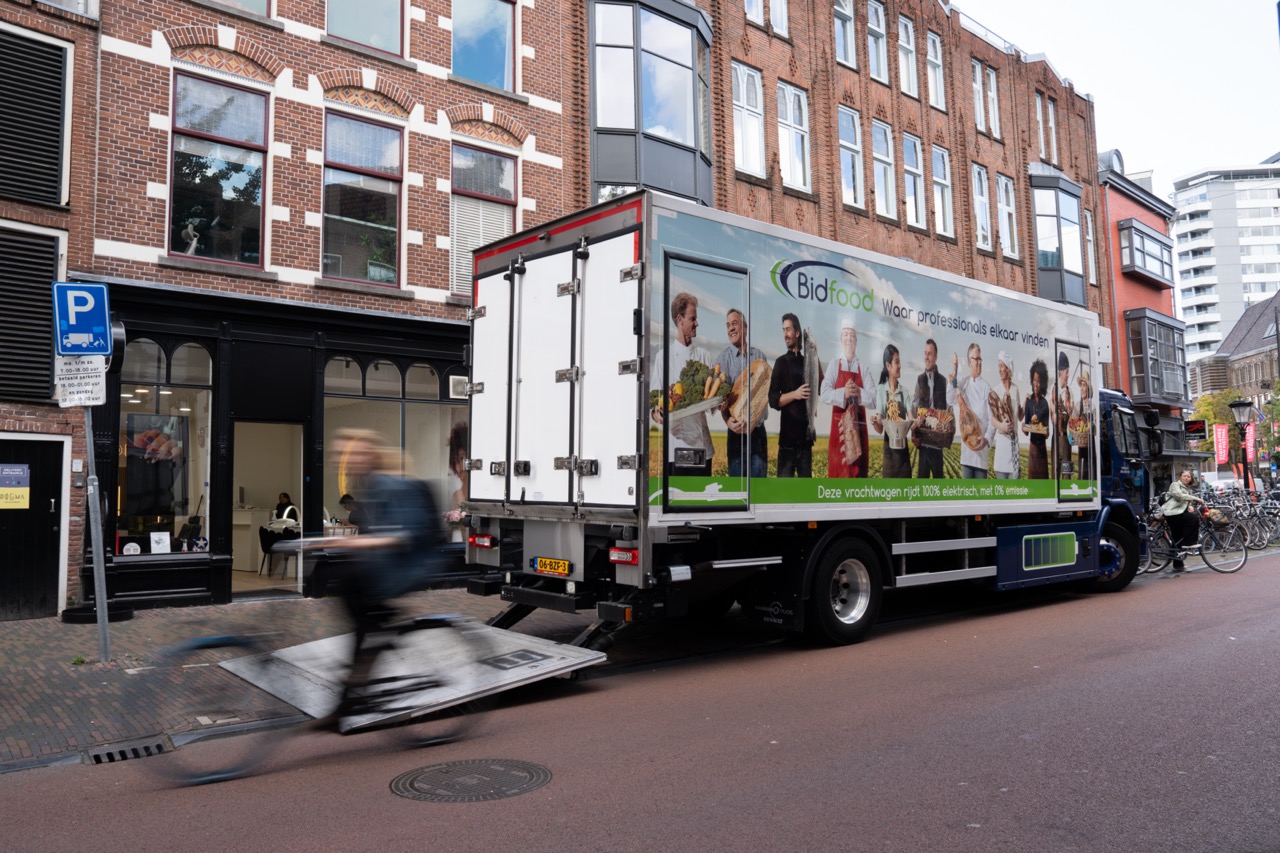
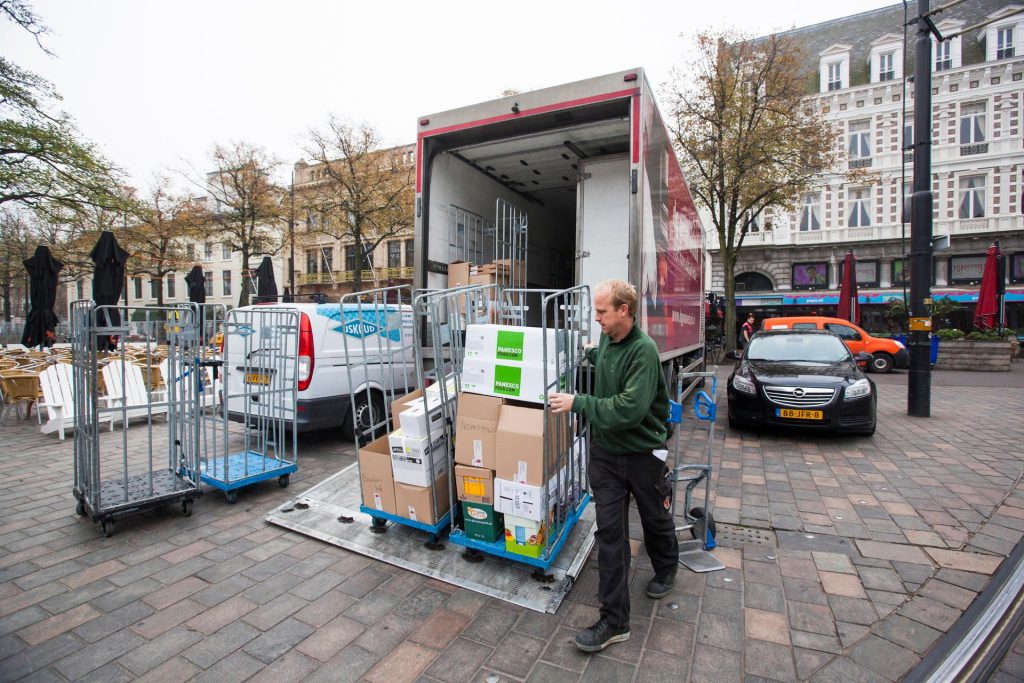
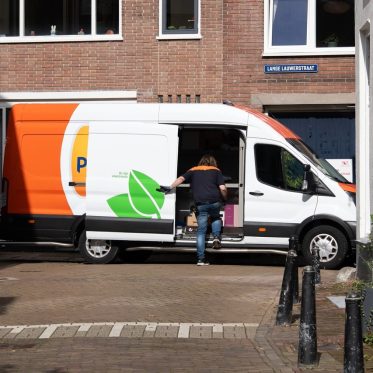
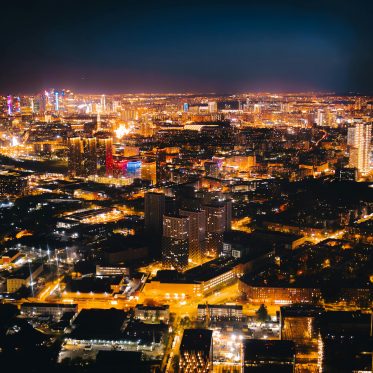
Municipalities have a lot going on. Space is scarce, new housing must be built, we want more greenery and fewer emissions. And oh yes, the city could be less crowded. Less emissions from truck traffic and fewer delivery vans through already crowded streets. Data and smart tools help with that. They provide insight into what is really happening and on that basis you can make choices as a municipality. That's what we call steering the city. DMI facilitates the availability of data and especially, that you can use that data optimally. We encourage cooperation and the sharing of knowledge. That makes us better together.
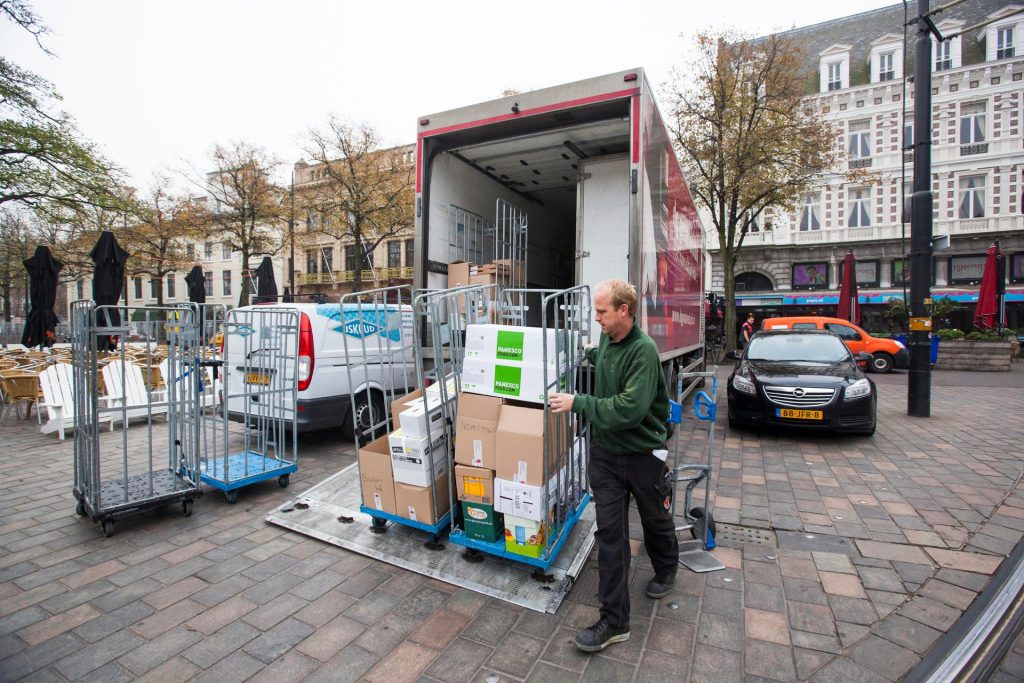
Data helps to map traffic and transport flows: from truck traffic to delivery vans, from loading and unloading areas to parking pressure. Working data-driven means: making policy based on the facts. Municipalities can thus better manage, for example, zero-emission zones, the locations for charging infrastructure or last-mile hubs or spatial planning.
Intelligent access
The city is busy enough as it is. Supply by truck traffic regularly creates traffic unsafe situations and poor accessibility. Delivery vans drive in and out of neighborhoods. Is that what we want? Or do we consciously choose a different approach? With targeted policy you regulate which means of transport are welcome in the urban area, when and especially where, where and how freight hubs are best placed. Data and digital tools make it possible. But there is still (much) more that can be done. For example, intelligent traffic lights make it possible to direct priority for specific target groups such as emergency and rescue services, freight traffic, but also public transport. Data gives you a handle on the city. Based on a better view, you make better choices.
Best practices
Learning together, doing together
At DMI, several municipalities are already working together intensively in the field of urban logistics. They share knowledge, develop scalable tooling together and coordinate policies. A network that meets every three weeks to take concrete steps. And with market parties and knowledge institutions joining to take joint action.
Join the digital city of tomorrow
In DMI's Logistics and Transportation Working Group, we - municipalities, provinces and market parties - work closely together. As a municipality, province or organization, do you also want to contribute to smarter traffic and transport? Would you like to learn from the numerous concrete examples that already exist, for example, in zero-emission zones or last-mile logistics?
Digital representations of the city make it possible to first test policy and solutions virtually and explore various scenarios. This allows you to reach well-considered decisions, limit risks and increase support from residents and stakeholders. At DMI, we make this technology widely applicable and scalable.
MOBILITY
Within the DMI ecosystem, we work together on digital insight into mobility. It's about being able to objectively and digitally understand mobility flows, bottlenecks and behavior. How do people move through the city or region? Which forms of transport are used, where, for whom and when?
TRANSPORT AND LOGISTICS
Space is scarce, new housing must be built, and we want more greenery and fewer emissions. And oh yes, the city could be less crowded. Data and smart tools help with insight into traffic flows and city logistics. DMI facilitates the availability of data and ensures that this data can be optimally shared and reused.
Area development
Area development involves multiple issues coming together. That makes it complex. In practice, how do we still get ahead quickly? DMI helps to establish a data-driven approach. We connect concrete solutions to the questions at hand, with digitization as the key to acceleration.
Water and soil
Bouwplannen moeten zich aanpassen aan de bodem en het water, niet andersom. Bij DMI kijken we hoe data en digitalisering daar een rol in kunnen spelen. Zo maken we beschikbare datasets bruikbaar en deelbaar in lopende gebiedsontwikkelingen.
Klimaat en energie
Nederland staat voor een enorme verduurzamingsopgave. In de komende decennia moet de CO2-uitstoot drastisch omlaag en willen we versneld overgaan van fossiele brandstof naar duurzame vormen van energie. Voor 2050 streven we naar klimaatneutraliteit. Digitale tools en een datagedreven aanpak helpen bij die versnelling.