Zwolle combines fresh food deliveries to free up space in the city center
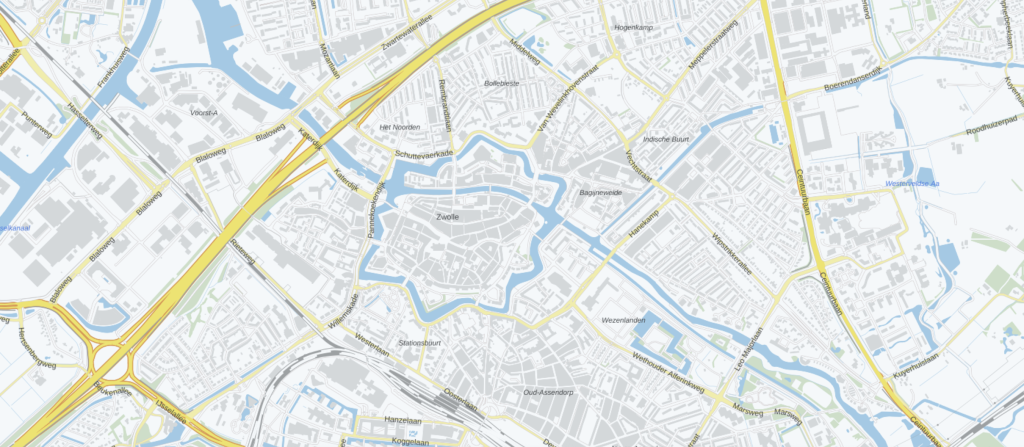
Zwolle recently began bundling fresh deliveries for its inner-city hospitality sector. The initiative aims primarily to reduce trips and emissions while creating a new business case for participating companies. It originates from the public-private partnership within the DMI ecosystem. Utrecht and Dordrecht are also preparing to adopt a similar approach.
CITY
Zwolle, Utrecht and Dordrecht
YEAR
2025
AFFECTED PARTY
HubKlup
SOLUTION
Bundling of deliveries
SHARE
SOLUTION
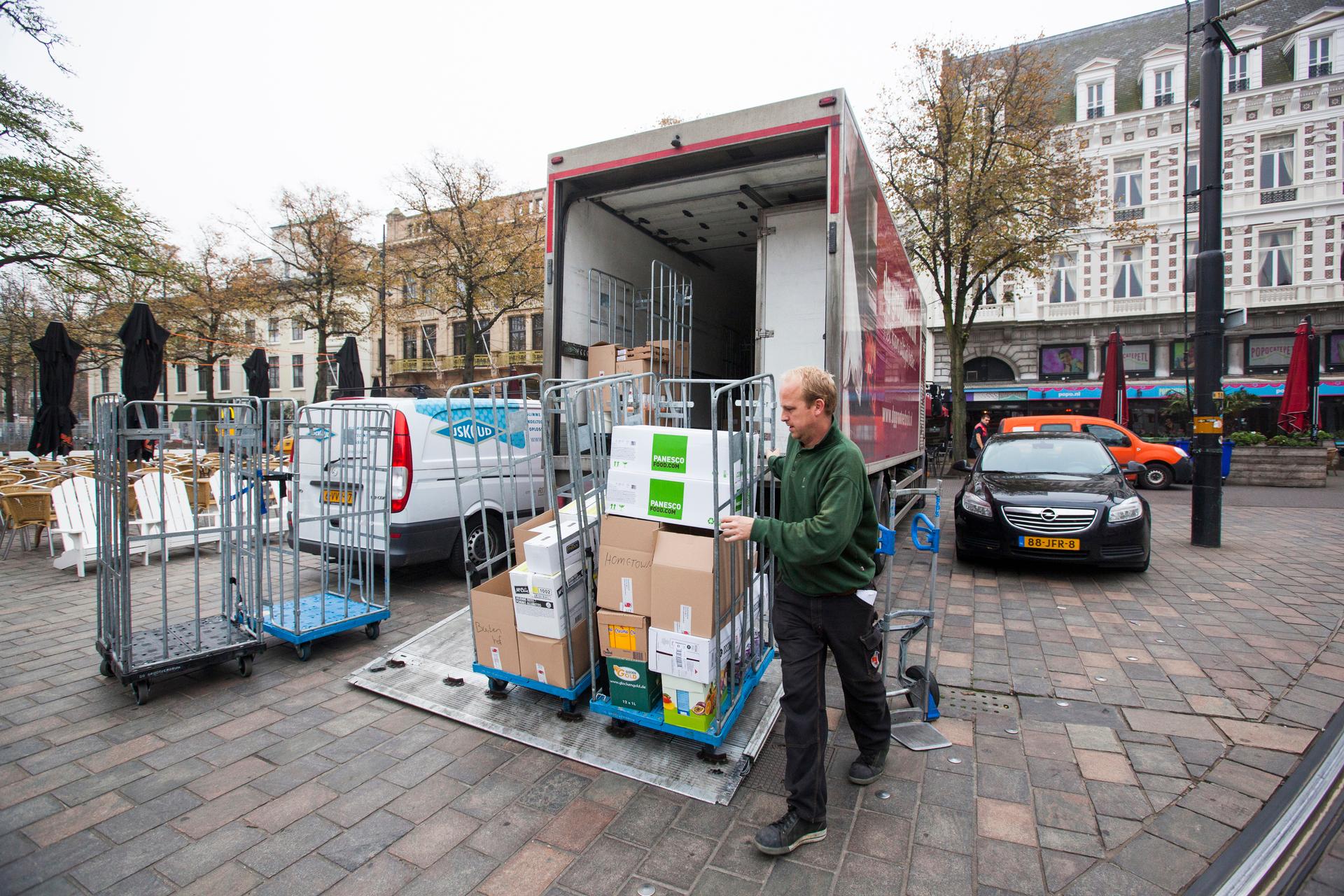
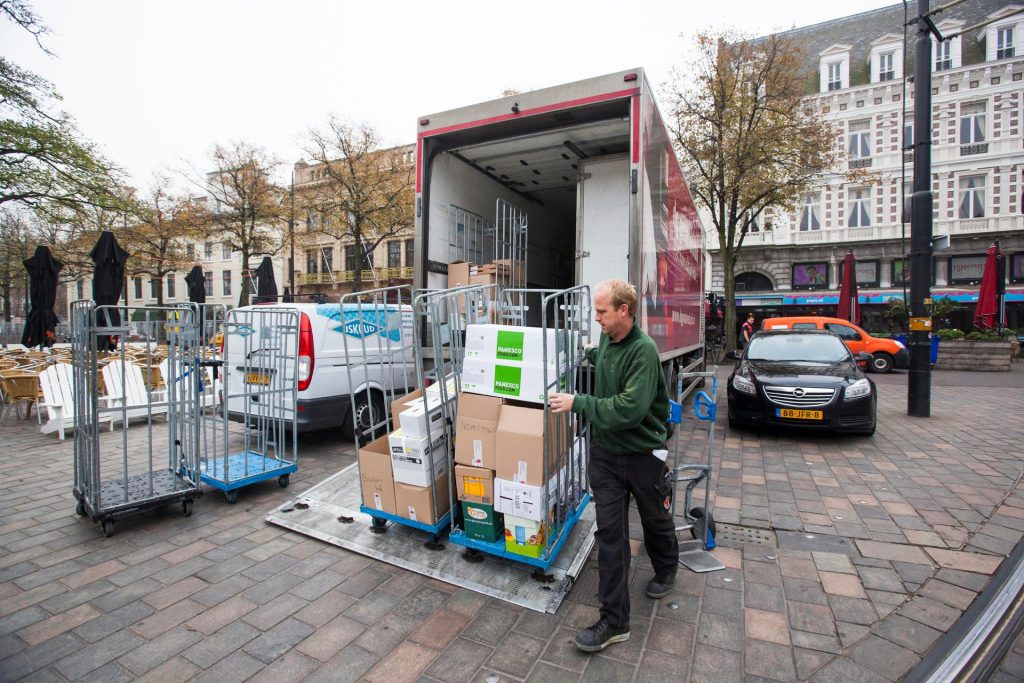
In June 2025, the first bundled deliveries to Zwolle’s catering entrepreneurs were dispatched. This was a collaboration between the municipality of Zwolle, the province, local businesses, suppliers, and a carrier, working together with Stichting HubKlup. Stichting HubKlup developed the digital platform Last Mile Fresh, which allows entrepreneurs to place orders with their suppliers. Since all orders are managed through a single system, deliveries can be efficiently combined.
MUNICIPALITY OF ZWOLLE
"The goal of this approach is to reduce the number of transportation movements in the downtown area. Fewer trips means fewer emissions, more traffic safety and better livability in public spaces.
Diana ZijlmansProject Manager
Location of a wholesale business
In addition to the digital platform, a physical collection point—or hub—is also required outside the city center. In Zwolle, this hub is located at a wholesaler on an industrial estate, which handles the transportation. "This partner receives or picks up fresh produce from farmers and catering suppliers, consolidates it at the hub, and delivers it—digitally trackable—by van to the restaurants," explains Dana Zijlmans, mobility advisor at Zwolle City Council. "They also manage the inventory."
Higher transportation requirements
The system currently involves 12 suppliers, one carrier, and six participating entrepreneurs, including Villa Suikerberg, De Horecamannen, Café Foyé, and Gillende Keukenmeiden. According to Remco Derksen of the HubKlup Foundation, the restaurants were deliberately selected for this pilot. "Fresh products, both chilled and unchilled, have higher transport requirements and are usually delivered separately. The carrier in Zwolle can now deliver these together, which provides us with valuable insights," he explains. Other items, such as bulk goods or casks, are not yet included but may be integrated in the future, Derksen added.
dmi-ecosystem
The assignment to the HubKlup Foundation and its partners to develop a smart platform for bundling deliveries came from the DMI-ecosystem. The Municipality of Zwolle has been involved with DMI from the start. "As cooperating municipalities, we connected with Stichting HubKlup, which has been providing bundled deliveries to beach pavilions in The Hague for some time. Under the DMI banner, we wanted to bring this concept to inner cities as well," said Zijlmans.
New business case
Bundling reduces the number of transportation movements in the downtown area. Fewer trips also means fewer emissions, more traffic safety and better livability in public spaces. In addition, it ties in with the zero-emission zone in Zwolle. According to Zijlmans, it is difficult for small entrepreneurs to get this kind of innovation off the ground independently. "This is precisely why the support from the DMI-ecosystem and the extra push from the National Growth Fund is so important. Municipality and province encourage, but ultimately it has to be carried by the market itself."
60-70%
This method of stocking provides 60-70% fewer trips for fresh-supply operations.
4000 kg
This saved 4,000 kg of CO2 in 14 weeks.
Role of municipality
The municipality of Zwolle has been involved from the beginning. "Together with the province of Overijssel, we are boosters of the project," says Zijlmans. "The province's logistics broker, together with Last Mile Fresh, maintains contact with entrepreneurs and the carrier. We support where necessary." For the Zwolle pilot, the carrier is using its own site on the outskirts of the city as a hub location. Providing such a location is above all a task for market parties, Zijlmans said.
Use what is already there
"The initiative clearly rests with the entrepreneurs, suppliers, and the carrier," says Zijlmans. "By keeping ownership with them, a hands-on approach emerges that truly meets their needs. That’s why it’s important to build on what already exists. This keeps costs low and helps develop a sustainable business case."
join us make your offer visible to the entire network
We are here for governments, businesses, and knowledge institutions.