Shared mobility as a starting point for local cooperation and self-organization
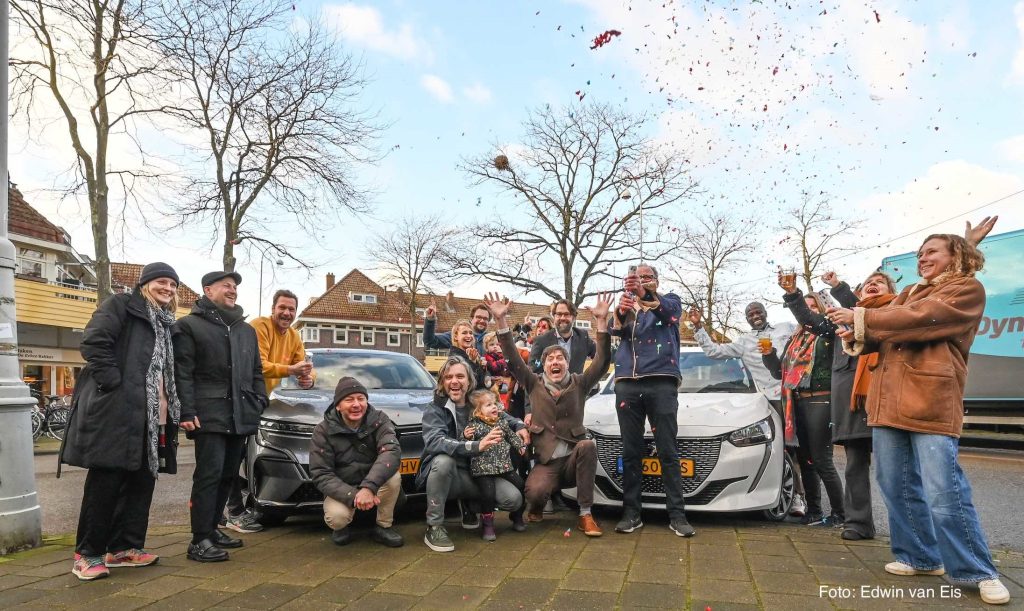
How do you organize mobility in neighborhoods where space is scarce and car ownership is not self-evident? In four cities, Townmaking Institute, under the flag of DMI, is working on a new approach: car sharing through cooperatives, set up by residents themselves. Not as an end goal, but as a stepping stone to a broader movement.
CITY
Nijmegen, Apeldoorn, Amersfoort, Zwolle
YEAR
2025
AFFECTED PARTY
townmaking
SOLUTION
partial mobility
SHARE
From parking pressure to collaboration
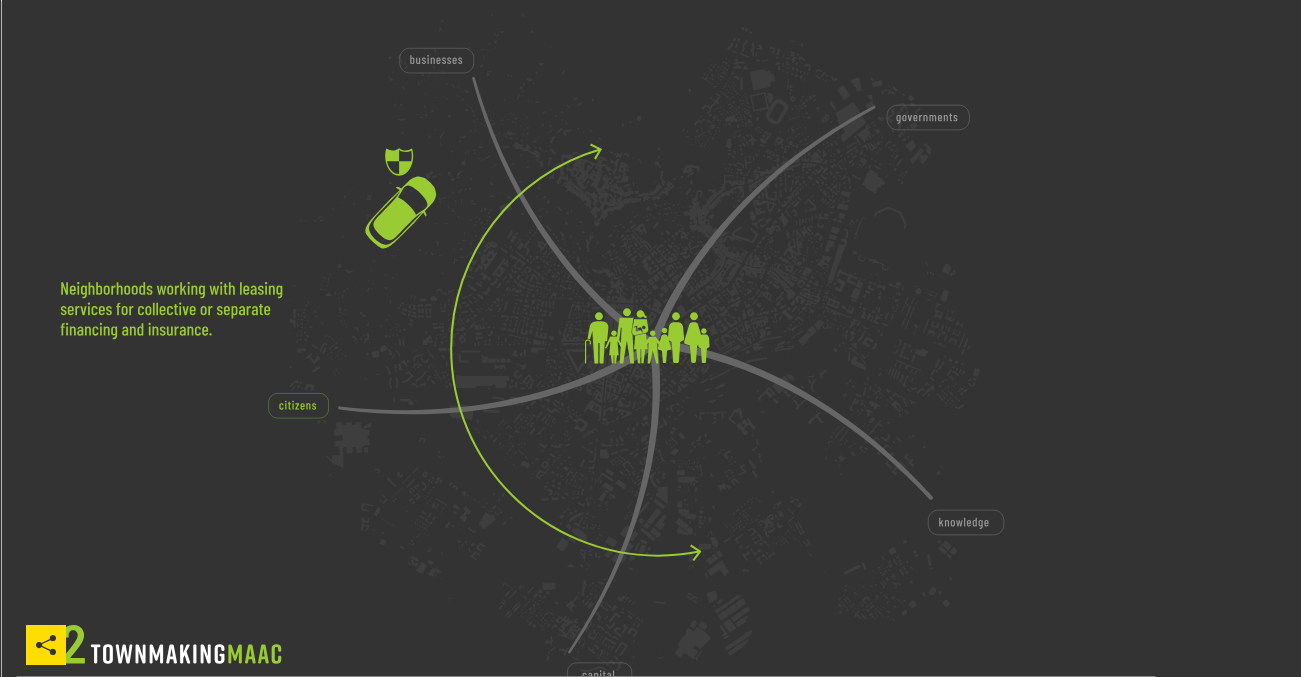
In neighborhoods where every square meter seems occupied by cars, change is necessary, says Dresscher. "At present, public space is mostly managed from the top down by the municipality. We believe, however, that local interests should be actively included. When it comes to shared mobility, commercial providers often pull out because their models aren’t profitable. We take a different approach: we establish cooperatives together with residents, not for them. This fosters a sense of ownership, engagement, and collaboration with the municipality. In this way, we can build stronger, more resilient neighborhoods together."
Together with the cities of Nijmegen, Apeldoorn, Amersfoort, and Zwolle, Townmaking is establishing two shared mobility cooperatives in each city—eight in total. The exact locations within each city will be determined in consultation with the people involved.
TOWNMAKING
"We have to get rid of the idea that everything has to go through the market. There is an alternative: local, inclusive and sustainable."
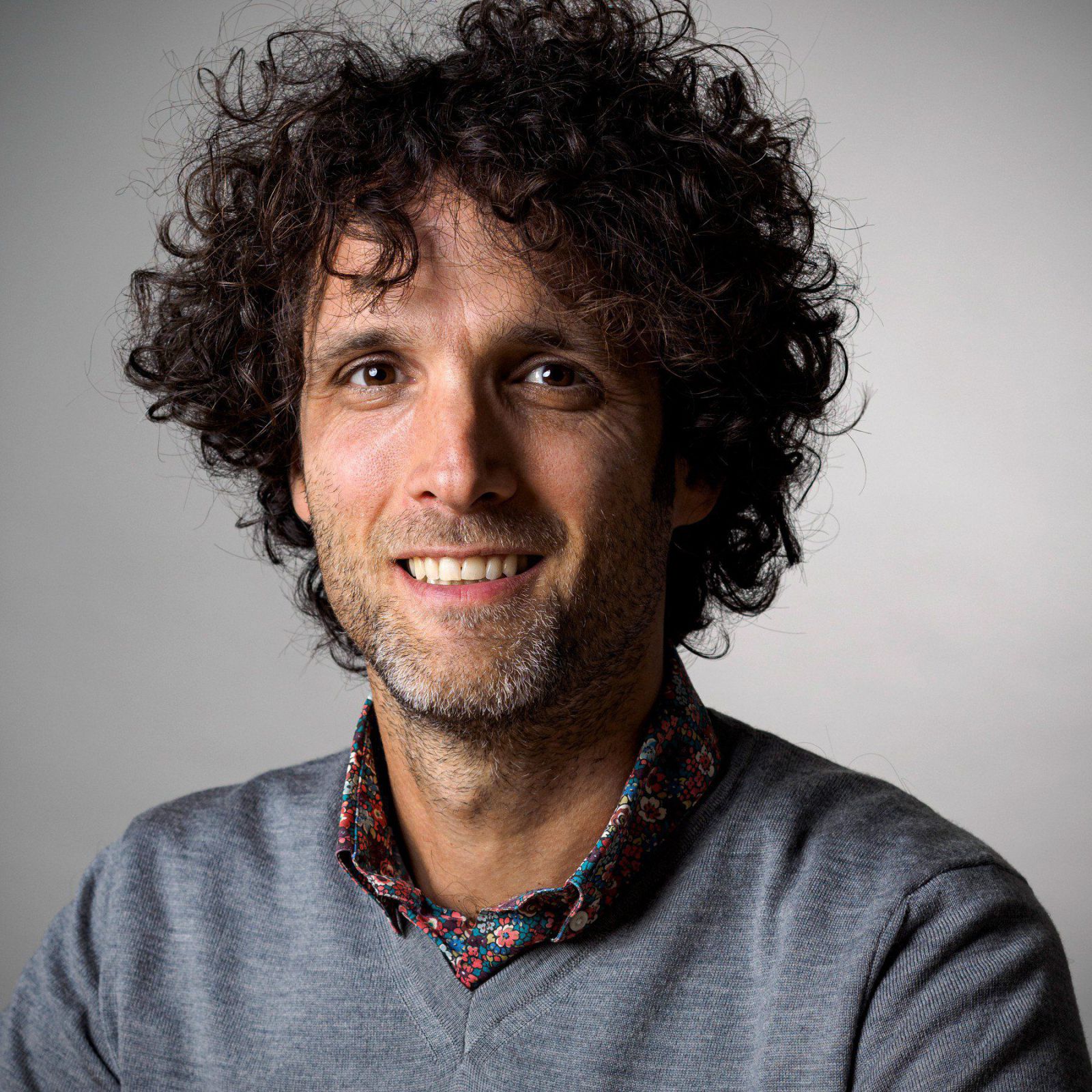
Walter DresscherTownmaking
Smart start, big effect
The cooperative is a means, not an end in itself. "It serves as a catalyst for local cooperation and self-organization," says Dresscher. To achieve this, Townmaking conducts in-depth research in neighborhoods, identifies key community members, and supports the process with tools, knowledge, and guidance. "When it works, you get engaged citizens who help one another—and that creates lasting social impact."
From mobility to neighborhood management
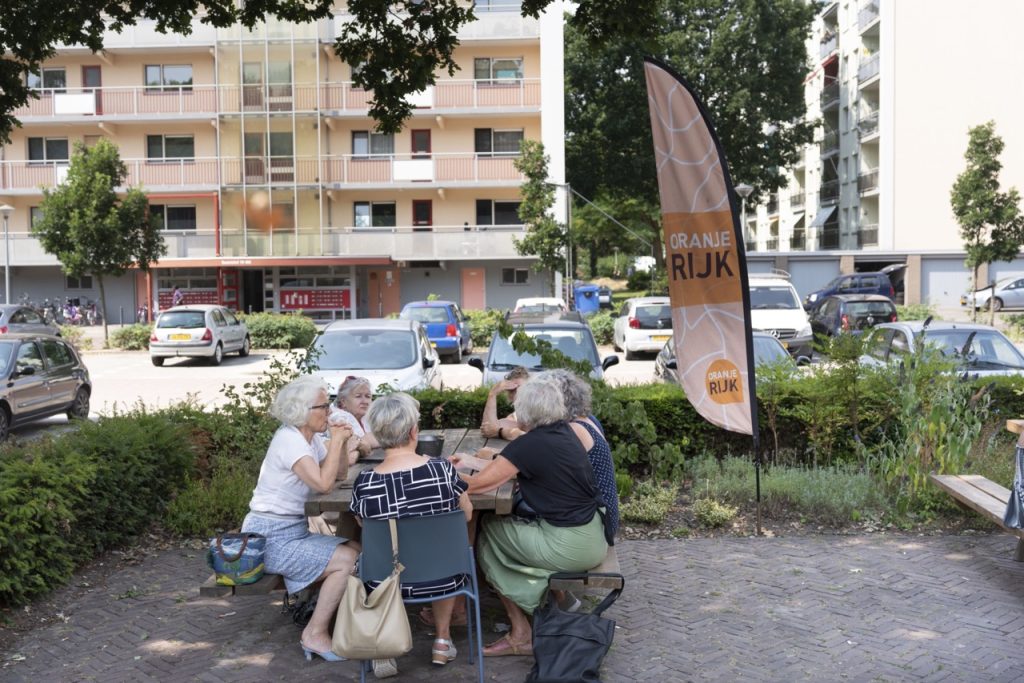
Shared mobility is just one of the limited resources in a neighborhood. Townmaking views it as a stepping stone toward broader community organizations, where residents collaborate with municipalities and other stakeholders on issues such as green space management, waste, energy, and public spaces. "We need to move away from the idea that everything has to go through the market. There is an alternative: local, inclusive, and sustainable."
Closer to the action with DMI
The DMI ecosystem provides Townmaking with access to municipalities, knowledge sharing, and digital support. "DMI helps us stay close to the action—close to the municipalities grappling with urban space challenges," says Dresscher. "We connect the human side—the tears, sweat, and stories—with the digital side of dashboards and data. Together, we are creating a new way of collaborating in the city, ultimately contributing to more livable urban spaces."
join us make your offer visible to the entire network
We are here for governments, businesses, and knowledge institutions.